Blog

Optimizing Healthcare Delivery: Nursing Staffing Success with MetaSense Inc.
Blog

Optimizing Healthcare Delivery: Nursing Staffing Success with MetaSense Inc.

Discover how MetaSense Inc. enhances healthcare with successful nursing staffing strategies. See how our approach boosts patient care and efficiency. In the hectic and demanding world of healthcare, having enough staff members is essential to provide the best possible care for patients and running operations effectively. Optimizing nursing staffing is a challenge and a chance to have a big impact on the industry for staffing organizations like MetaSense Inc., which specializes in healthcare staffing solutions. We’ll explore the tactics and best practices that MetaSense Inc. can use in this in-depth guide to improve nursing staffing and foster success in the healthcare staffing industry. Recognizing the Value of Nursing Staffing: Maintaining high-quality patient care, reducing risks, and guaranteeing regulatory compliance in healthcare facilities all depend on having an adequate number of nurses on staff. MetaSense Inc. is aware of the clear relationship between appropriate nurse staffing levels and patient outcomes, satisfaction, and overall facility performance. Metasense Inc. not only satisfies the staffing requirements of healthcare institutions by offering skilled and competent nursing staff, but it also enhances patient satisfaction and safety. Entire Needs Evaluation: Before optimizing nursing staffing, MetaSense Inc. thoroughly evaluates the demands of every healthcare facility it works with. This entails being aware of the facility’s distinct patient demographic, case mix, acuity levels, and operational dynamics. Metasense Inc. can efficiently customize its staffing solutions to match the unique demands of each client by getting insight into the staffing requirements and issues that are unique to them. Proactive Hiring Techniques: At MetaSense Inc., hiring competent nurses is a primary goal. MetaSense Inc. employs proactive recruitment practices that surpass conventional procedures to acquire top talent. To access a varied pool of prospects entails making use of social networking sites, professional networks, online job boards, and referral services. Furthermore, MetaSense Inc. regularly participates in industry events, career fairs, and nursing schools to find and develop future talent in the nursing field. Prioritizing Aptitude and Cultural Fit: MetaSense Inc. strongly emphasizes evaluating individuals for their skill competency and cultural fit within healthcare businesses, in addition to their qualifications and experience. MetaSense Inc. guarantees a smooth staff integration and fosters a good work atmosphere that is favorable to providing high-quality patient care by matching nurses with the appropriate abilities, competencies, and personality qualities to the needs and culture of each facility. Ongoing Education and Training: The significance of investing in the continuous education and training of its nursing personnel is acknowledged by MetaSense Inc. Nurses can improve their clinical skills, keep current on industry best practices, and explore career progression possibilities with MetaSense Inc.’s in-house educational programs and collaborations with approved training providers. In addition to raising the caliber of its staffing solutions, MetaSense Inc. cultivates long-term engagement and loyalty among its nurses by enabling them to advance professionally. Data-Informed Decision Making: For MetaSense Inc., data analytics is essential to nursing staffing optimization. Through the application of data analytics tools and performance metrics, MetaSense Inc. is able to obtain significant insights about staffing trends, resource utilization, and areas for improvement. Examples of these metrics include nurse-to-patient ratios, turnover rates, and patient satisfaction scores. In order to meet the changing needs of its clients, MetaSense Inc. can use this information to make well-informed decisions, allocate resources efficiently, and improve its staffing tactics over time. To sum up, in order for healthcare institutions to provide excellent patient care and attain operational excellence, nursing staffing optimization is crucial. MetaSense Inc. is well-positioned to lead the healthcare staffing industry with its dedication to quality and creative approach to staffing solutions. MetaSense Inc. can effectively meet its clients’ staffing needs and positively impact the healthcare industry by utilizing data-driven decision-making, proactive recruitment strategies, skill and cultural fit emphasis, thorough needs assessments, training and development investments, and more.

Addressing Nursing Shortage: Solutions & Opportunities with MetaSense Inc. Staffing
Blog

Addressing Nursing Shortage: Solutions & Opportunities with MetaSense Inc. Staffing

Discover MetaSense Inc.’s innovative solutions to the nursing shortage. Learn how we provide healthcare facilities with the staffing they need for quality care. Explore our strategies for overcoming nursing scarcity: Nursing shortages pose serious problems for both staffing companies and healthcare facilities in the dynamic field of healthcare staffing. For staffing companies like Metasense Inc., solving nursing shortages has become a primary focus as the demand for healthcare rises and the nursing workforce experiences retirement and attrition. Using knowledge from Metasense Inc.’s experience and search engine optimization, we will examine the root causes of the nursing shortage, how it affects healthcare delivery, and practical solutions and opportunities for staffing companies to navigate this challenging environment in this extensive guide. Knowing What Leads to Nursing Shortages: Understanding the underlying reasons of the nursing shortage is crucial before looking into potential solutions. The following are some factors causing a shortage of nurses: 1. Aging Population: As the population ages, there is a greater need for nursing care due to the rising demand for healthcare services. 2. Nurse Retirement: Many experienced nurses are leaving the industry as the baby boomer generation reaches retirement age, leaving gaps that are difficult to fill. 3. Workforce Attrition: Nurse turnover and attrition rates are influenced by burnout, stress, and unhappiness with working circumstances. 4. Education Constraints: The number of new nurses entering the field is restricted by the capacity of nursing education programs and the scarcity of nursing faculty. The Effects of Nursing Shortages on the Provision of Healthcare: The delivery of healthcare is significantly impacted by nursing shortages, including: Reduced Patient Satisfaction: Longer wait times, worse care, and poorer patient satisfaction ratings can all be consequences of understaffing. Increased Workload: Nurses who work in understaffed settings have to put in more hours, which can be stressful and exhausting. It can also raise the risk of medical errors. Staff Burnout: Long-term understaffing exacerbates the shortfall and starts a vicious cycle of staffing issues by increasing employee turnover, absenteeism, and burnout. Staffing Agency Solutions Notwithstanding the difficulties caused by the nursing shortage, staffing companies such as Metasense Inc. can employ many tactics to successfully tackle these problems: 1. Proactive Recruiting: By actively seeking individuals through focused outreach initiatives, collaborations with nursing schools, and referral networks, Metasense Inc. can adopt a proactive strategy to recruiting. Staffing agencies can create a pipeline of competent individuals to satisfy client needs by extending a wide net and interacting with potential candidates early in their careers. 2. Provide Incentives and Benefits: You can draw and keep top nursing staff by providing competitive pay rates, signing incentives, flexible schedule alternatives, and career progression chances. Metasense Inc. may collaborate closely with healthcare facilities to create benefits and pay plans that are both appealing to nurses and meet their demands. 3. Invest in Training and Development: Programs for training and development can assist in closing the talent gap that exists between the supply and demand for nurses. Metasense Inc. may provide workshops on skill development, mentorship programs, and opportunities for continuing education to give nurses the tools they need to succeed in their positions. 4. Make Use of Technology and Automation: Staffing companies can increase operational efficiency, improve candidate sourcing and screening, and expedite recruiting procedures by embracing technology and automation. Metasense Inc. can more effectively find qualified people and match them with appropriate job opportunities by utilizing AI-powered algorithms, internet portals, and applicant tracking systems. 5. Diversify Talent Pool: Staffing companies can expand its talent pool by hiring nurses from various locations, nations, and backgrounds in order to fill shortages in particular nursing specializations or geographic areas. Metasense Inc. might look into collaborations and international recruitment options to find suitable workers overseas and solve urgent workforce shortfalls. Possibilities for Development Even though there is a nursing shortage, staffing companies like Metasense Inc. can benefit from it by expanding and innovating: 1. Growth into New Markets: Staffing companies have the chance to broaden their clientele and grow into new markets due to the widespread nursing shortage, which is not restricted to any one area or type of healthcare facility. To address the rising need for nursing services in various sectors, Metasense Inc. can look into joint ventures with telehealth providers, home health agencies, and long-term care facilities. 2. Specialization in High-Demand Fields: Staffing companies may establish their expertise in high-demand nursing fields and draw in top talent by concentrating on these fields, which include critical care, emergency medicine, and perioperative nursing. To address the particular requirements of healthcare facilities in these specializations, Metasense Inc. may provide specialized recruitment tactics and customized staffing solutions. 3. Investing in technology and innovation: It has the potential to set staffing agencies apart from the competition and increase their competitiveness. Metasense Inc. can investigate prospects to create digital platforms, AI-powered tools, and proprietary software solutions to improve candidate matching, streamline operations, and provide clients with value-added services. 4. Partnerships and Collaborations: Staffing firms can generate new opportunities and develop synergies by working with healthcare facilities, educational institutions, professional organizations, and government agencies. Metasense Inc. can form strategic alliances to gain access to talent pools, and pool resources, and work together to solve shared problems. Conclusion: The lack of nurses poses serious obstacles to the provision of healthcare, but they also present chances for expansion and innovation for employment firms such as Metasense Inc. Staffing agencies can successfully navigate the complex landscape of nursing shortages by understanding the underlying causes of the shortages, putting proactive recruitment strategies into place, providing competitive incentives and benefits, investing in training and development, utilizing technology and automation, and looking into opportunities for growth and collaboration. Metasense Inc. may be a key player in addressing the shortage of nurses and guaranteeing that healthcare institutions around the country have access to high-quality patient care by taking a strategic approach and demonstrating a dedication to excellence.
Transforming Nursing Home Care with MetaSense Inc - Choosing Quality Services
Blog

Transforming Nursing Home Care – Choosing Quality Services

Explore our in-depth guide on Nursing Home Care, offering essential insights into selecting top-quality services, understanding care options, and ensuring the best for your loved ones. Learn about the types of care, what to look for in a facility, and how to navigate the complexities of eldercare. Nursing Home Care Local leaders have a significant impact on the standard of care given to residents in nursing homes. These executives, who include directors of nursing, facility managers, and administrators of nursing homes, are responsible for supervising daily operations, managing personnel, and guaranteeing adherence to regulations—all while attempting to deliver person-centered, compassionate care to residents. At MetaSense Inc., we recognize how critical it is to provide local leaders in assisted living facilities the authority to effect positive change and raise the standard of care provided to residents. We’ll look at how MetaSense Inc. is enabling local leaders with creative ideas and assistance in this blog article, which will ultimately result in better resident outcomes and more efficient care. Building Local Leaders: The Secret to High-Quality Healthcare Local administrators at assisted living facilities frequently deal with a variety of issues, such as a lack of staff, legal obligations, financial limitations, and residents’ constantly shifting needs. Despite these obstacles, local leaders who are given the proper training, resources, and assistance have the ability to significantly enhance resident outcomes and the way that care is delivered. 1. Programs for Education and Training: With a focus on meeting the specific requirements of local leaders in nursing homes, MetaSense Inc. provides extensive education and training programs. A wide range of subjects are covered in these programs, such as staff management, resident-centered care, quality improvement, leadership development, and regulatory compliance. MetaSense Inc. contributes to the development of a culture of ongoing learning and professional advancement in nursing home facilities by providing local leaders with the knowledge and abilities necessary for them to flourish in their positions. 2. Solutions for Technology: In the current digital era, technology is becoming more and more integral to the provision of healthcare, particularly care in nursing homes. Innovative technological solutions are offered by MetaSense Inc. to help nursing homes run more smoothly, communicate better, and provide better care for their residents. MetaSense Inc.’s technology solutions enable local leaders to take advantage of the most recent developments in healthcare technology to provide more effective, efficient, and person-centered care. These solutions range from electronic health records (EHRs) and medication management systems to telehealth platforms and communication tools. 3. Initiatives for Quality Improvement: In order to raise the general standard of care given to residents, MetaSense Inc. works with nursing home administrators to create and carry out quality improvement projects. Process enhancements, employee training initiatives, resident satisfaction surveys, and performance metrics tracking are a few examples of these activities. MetaSense Inc. assists nursing home administrators in identifying areas for improvement, putting into practice evidence-based best practices, and tracking results over time to guarantee sustainability and continued success. The company focuses on continuous quality improvement. 4. Assistance with Regulatory Compliance: For nursing home administrators, navigating the complicated world of regulatory obligations may be quite challenging. In order to help nursing home administrators stay current on evolving rules, uphold compliance with local, state, and federal standards, and reduce the possibility of fines or penalties, MetaSense Inc. offers regulatory compliance support. Nursing home managers may handle regulatory difficulties with confidence and ease thanks to MetaSense Inc.’s regulatory compliance support, which includes creating rules and procedures, teaching staff on regulatory standards, and conducting mock surveys. 5. Strategies for Staff Engagement and Retention: In order to create a happy workplace, encourage employee engagement, and lower turnover in nursing homes, effective leadership is crucial. Nursing home managers can benefit from the techniques and tools provided by MetaSense Inc., which include staff appreciation programs, employee wellness initiatives, leadership development programs, and mentorship opportunities. Building cohesive, high-performing teams committed to giving residents outstanding care is possible for nursing home administrators by placing a high priority on staff engagement and retention. 6. Models of Resident-Centered Care: MetaSense Inc advocates for resident-centered care approaches that give residents’ unique needs, desires, and objectives top priority. Nursing home administrators can establish a supportive and empowering environment that promotes independence, dignity, and a high quality of life for their residents by adopting the concepts of resident-centered care. In order to support nursing home administrators in implementing resident-centered care practices, MetaSense Inc. offers tools and advice on person-centered care planning, resident engagement initiatives, and family participation tactics. 7. Analytics of Data and Enhancement of Performance: Making decisions based on data is crucial to improving performance and getting the best results possible in nursing home care. Data analytics tools from MetaSense Inc. enable administrators of nursing homes to gather, examine, and use data to monitor performance indicators, make informed decisions, and evaluate advancement toward corporate objectives. Through the utilization of data analytics, administrators of nursing homes can recognize patterns, pinpoint opportunities for enhancement, and make knowledgeable choices that promote ongoing quality enhancement and superior care provision. In summary, empowering local leaders in assisted living facilities is critical to promoting improvement, raising the standard of care, and improving resident outcomes. MetaSense Inc. is dedicated to providing cutting edge solutions, staff engagement and retention tactics, resident-centered care models, education and training programs, technology solutions, quality improvement initiatives, support for regulatory compliance, and data analytics and performance improvement tools to nursing home leaders. By working together, we can enable local leaders to revolutionize the way that care is provided in nursing homes and provide vibrant, person-centered spaces where residents can have fulfilling lives.
Top 10 Essential Tools for New Nurses - Kickstart Your Nursing Career
Blog

Top 10 Essential Tools for New Nurses – Kickstart Your Nursing Career

Equipped with enthusiasm and knowledge, newly graduated nurses may make a big difference in their efficiency, efficacy, and confidence when providing patient care if they have the correct tools. The variety and breadth of equipment accessible to nurses nowadays is impressive, ranging from stethoscopes to nursing applications. At MetaSense Inc., we recognize the value of providing newly graduated nurses with the fundamental resources they require to be successful. We’ll go through the top ten resources that every newly graduated nurse needs to be equipped with in this blog article so they can deliver top-notch patient care. Top 10 Essential Tools for New Nurses: Discover the top 10 essential tools every newly graduated nurse needs to excel in the healthcare field. From clinical software to practical gear, our guide offers the ultimate resources to navigate your nursing career successfully. Perfect for recent nursing graduates looking to enhance their skills and efficiency on the job. 1. A Stethoscope: Possibly the most recognizable instrument in a nurse’s toolbox, a stethoscope enables them to check vital signs, measure blood pressure, and auscultate heart and lung sounds. Purchasing a top-notch stethoscope is necessary for precise evaluations and efficient patient treatment. Seek characteristics like adjustable diaphragms, cozy earbuds, and sturdy wire to guarantee top efficiency and durability. 2. Scissors for Nursing: Nursing Scissors are multipurpose instruments useful for a range of clinical duties, such as slicing bandages, dressings, and medical tape. Select a pair of blunt-tipped stainless steel nursing scissors to reduce the possibility of inadvertent harm to patients or oneself. In addition, for better precision and cutting performance, think about getting scissors with serrated blades. 3. The Penlight: For evaluating pupillary responses, probing oral cavities, and performing neurological evaluations, a penlight is an essential instrument. For the best visibility in clinical situations, choose a penlight that is robust, compact, and equipped with a powerful LED light. To make assessments easier, some penlights additionally include rulers and pupil gauges. 4. A Nursing Clipboard: During rounds or bedside assessments, a nurse clipboard is a useful tool for keeping track of patient information, vital signs, and clinical notes. Seek out a clipboard that offers easy access to crucial clinical information by having storage sections, integrated calculators, and reference charts. Additionally, some nursing clipboards have antimicrobial coatings to aid in limiting the transmission of germs in hospital environments. 5. Socks with Compression: Extended periods of standing can strain your feet and legs, causing weariness and pain. Compression socks are intended to lessen leg tiredness during prolonged standing or walking, increase circulation, and minimize edema. Select moisture-wicking materials and progressive compression levels in your compression socks for optimal comfort and efficacy. 6. Watch the Nurses: During clinical shifts, a Nursing Watch is a useful tool that helps nurses precisely keep track of time. For increased convenience in medical environments, look for a nursing watch with robust, cleanable construction and features like a second hand, bright hands, and water resistance. Additionally, some nursing watches have clip-on attachments for hands-free use and pulse timers. 7. Tablet/Smartphone: With access to electronic health records (EHRs), medication reference guides, medical apps, and communication platforms, smartphones and tablets have become essential tools for nurses. Nurses can search for drug information, consult clinical guidelines, connect with other nurses, and get patient records while on the road using their smartphones or tablets. Make sure you abide by the policies of your employer when it comes to using personal devices in clinical settings. 8. Convenient Drug Reference Handbook: Nurses can rapidly search up prescription information, doses, interactions, and administration instructions with the use of a pocket drug reference guide. For easy access during the administration of medications, pick a pocket-sized drug reference guide that includes thorough drug listings, dose calculators, and safety alerts. Additionally, several medication reference manuals offer online databases or mobile apps for quick access to updated information. 9. Cozy Nursing Shoes: Shoes that are supportive and comfortable are necessary for nurses who stand a lot of hours at a time. For the best comfort and safety, look for nursing shoes with features like shock absorption, cushioned insoles, arch support, and slip-resistant outsoles. To get the ideal fit for your particular foot shape and comfort preferences, think about putting on a few different brands and designs. 10. Nursing Backpack or Bag: During clinical shifts, you must have a nursing bag or backpack to carry your personal items, tools, and supplies. For comfort and convenience, go for a sturdy, lightweight bag with lots of pockets, padded straps, and water-resistant fabrics. Specialized pockets for holding electronics, hydration systems, and medical supplies are another feature of certain nursing backpacks. In summary, having the appropriate resources is critical for newly graduated nurses to succeed in their positions and deliver top-notch patient care. The top 10 items listed in this blog post are crucial for providing newly graduated nurses with everything they need to be successful in their nursing jobs, from stethoscopes to nursing shoes. At MetaSense Inc., we’re dedicated to providing healthcare professionals and recent graduates with useful tools and creative solutions. Reach out to us right now to find out more about how we can support you as you pursue a successful nursing career.
Expanding Nursing Homes in Today's Dynamic Environment: Key Strategies & Benefits
Blog

Expanding Nursing Homes in Today’s Dynamic Environment

The rise of nursing homes brings both opportunities and challenges as the healthcare industry changes. Careful evaluation of a number of elements, such as market demand, demographics, the regulatory environment, and reimbursement policies, is necessary when expanding strategically into new states. We’ll explore the best states for nursing home growth in this extensive guide, offering insightful advice on how to manage change and seize expansion opportunities in the rapidly changing healthcare sector. Nursing Homes Key Strategies and Benefits: Explore the essential conditions and innovative strategies for expanding nursing homes amidst today’s changing societal and environmental landscapes. Learn how adapting to evolving needs ensures quality care and support for the elderly. Dive into our comprehensive guide for insights on creating ideal living spaces for seniors. Population Trends and Demographics: Analyzing population trends and demographics is crucial when evaluating possible states for nursing home expansion. States that have a large percentage of senior citizens and an aging population are ideal locations for nursing home construction. Additionally, to determine which areas have the highest need for long-term care services, take into account variables like income levels, cultural preferences, and rates of population growth. Regulatory Environment and Licensing Requirements: Nursing home operations are governed by a unique set of regulations and licensing criteria that are specific to each state. Learn as much as you can about the target states regulations, especially those pertaining to staffing ratios, quality requirements, inspection procedures, and reimbursement policies. Select states with benevolent regulatory frameworks that facilitate effective operations and adherence to industry norms. Analysis of Market Demand and Competition: Determine the level of demand in the target states for nursing home services by looking at existing provider networks, healthcare utilization trends, and demographic data. Determine the underserved areas where access to high-quality long-term care institutions is restricted, and evaluate the competition from current providers. Seek out chances to close service delivery gaps and set yourself apart from the competition to cater to the particular requirements of regional areas. Payment Models and Reimbursement Policies: These factors differ from state to state and have a big influence on the nursing home industry’s capacity to make money. Examine private insurance coverage, Medicaid and Medicare reimbursement rates, and other relevant data to determine the possible income in the target markets. States that support value-based payment models and have benevolent reimbursement rules are more likely to have profitable and sustainable growth. Infrastructure and Real Estate Considerations: When choosing which states to expand their nursing homes, take into account the infrastructure and real estate aspects. Assess ease of access to appropriate properties, zoning laws, ease of access to medical facilities, and transportation infrastructure. To improve the standard of living for locals and draw in new customers, pick areas with easy access to services, medical facilities, and community resources. Collaboration among Stakeholders and Community Engagement: A nursing home’s ability to successfully expand depends on its ability to forge strong bonds with stakeholders and the local community. Talk to local advocates, healthcare professionals, referral sources, and leaders of the community to learn about the needs and preferences of the area. Work together with healthcare partners to create referral networks and integrated care models that facilitate smooth transitions and uninterrupted patient care. Evaluation of Long-Term Growth Potential and Strategic: Alignment: Determine the target states’ capacity for long-term growth and match expansion initiatives with strategic aims and objectives. Take into account variables that could affect the long-term care landscape in the future, such as population predictions, healthcare trends, legislative changes, and developing technology. States that have chances for long-term growth and fit your organization’s mission, beliefs, and strategic priorities should be given priority. In summary, managing the challenges associated with nursing home growth calls for meticulous preparation, strategic thinking, and a thorough comprehension of both legal and market factors. Healthcare firms can position themselves for success in a changing healthcare ecosystem by determining the best states for expansion based on market demand, demography, regulations, and reimbursement policies. To prosper in the fast-paced world of long-term care, one must embrace change, make use of strategic insights, and seize development opportunities.
Oregon's Nurse Staffing Law Enhances Medical Care - Key Highlights | 2024 Update
Blog

Oregon’s Nurse Staffing Law Enhances Medical Care – Key Highlights | 2024 Update

Nurse Staffling Law: Key Highlights Discover how Oregon’s groundbreaking nurse staffing law, effective from 2024, aims to revolutionize medical care and nurse work conditions. Explore the benefits, key provisions, and impact on Oregon’s healthcare system. Oregon has passed a ground-breaking rule governing nurse staffing ratio with the goal of enhancing patient safety and raising the standard of care. The potential for this law to completely change the nursing care landscape has attracted a lot of attention. It sets explicit requirements for nurse-to-patient ratios in healthcare facilities throughout the state. We’ll go over the importance of Oregon’s new nurse staffing ratio regulation, how it affects patient care, and why it’s a turning point for the healthcare sector in this extensive guide. Managing Nurse Workload and Burnout: Reducing workload and minimizing burnout effects are two of the main objectives of Oregon’s nurse staffing ratio statute. The purpose of the legislation is to guarantee that nurses have reasonable workloads and sufficient assistance to provide high-quality care by setting explicit criteria for nurse-to-patient ratios. By lowering the possibility of mistakes and unfavorable outcomes, increases patient safety while also increasing job satisfaction and retention among nurses. Improving Patient Outcomes: Studies have repeatedly demonstrated a positive correlation between adequate nurse staffing numbers and improved patient outcomes. The new legislation in Oregon aims to enhance patient outcomes in a variety of healthcare settings by enacting nurse staffing ratios that are consistent with evidence-based practices. With the potential to decrease readmission and death rates as well as hospital-acquired illnesses, the legislation is positioned to improve the general standard of care provided to patients throughout the entire state. Improving Nurse-Patient Engagement and Communication: Sufficient nurse staffing ratios allow nurses to spend more time with each patient, which strengthens the bonds between them and facilitates improved communication. Patients feel more empowered and supported throughout their healthcare journey when nurses are able to participate in meaningful contacts, answer patients’ issues, and offer knowledge. In the end, this improves patient satisfaction and treatment plan compliance, which improves health outcomes. Encouraging Safe Staffing Practices: The nurse staffing ratio law in Oregon is a driving force behind the adoption of accountable and safe staffing practices in healthcare facilities. The law urges healthcare businesses to put staffing sufficiency and transparency first by imposing precise ratio requirements that are suited to various care settings and patient acuity levels. In addition to giving patients the care they require, this gives nurses the authority to push for safe working conditions and professional standards. Enhancing Workplace Culture and Morale: Attracting and keeping outstanding nursing talent requires a positive work environment. The nurse staffing ratio rule in Oregon encourages a climate of safety, cooperation, and respect in healthcare facilities, which raises employee morale and increases job satisfaction. Better outcomes for patients and healthcare organizations result from nurses who are committed to their work and provide outstanding care when they feel respected and supported in their professions. In conclusion, the new nurse staffing ratio rule in Oregon is a big step toward supporting nursing workers, enhancing patient safety, and raising the standard of healthcare. The Act endeavors to optimize staffing methods, improve patient outcomes, and foster a culture of safety and quality inside healthcare facilities by providing explicit rules for nurse-to-patient ratios. Oregon’s innovative strategy serves as a paradigm for good change in the healthcare business as other states contemplate taking similar steps to address staffing difficulties and enhance patient care.
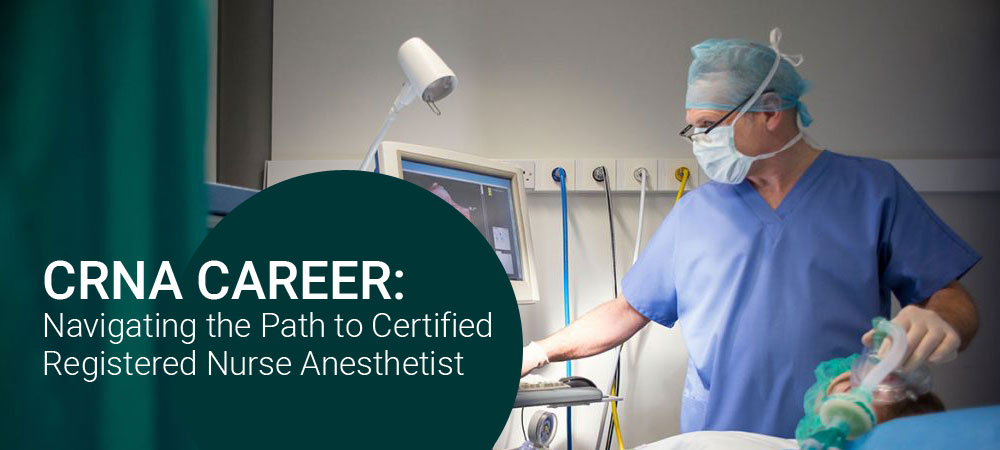
CRNA Career: Navigating the Path to Certified Registered Nurse Anesthetist
Blog

CRNA Career: Navigating the Path to Certified Registered Nurse Anesthetist

Discover the rewarding path of a CRNA Career. Get insights into education requirements, certification processes, job responsibilities, and the vast opportunities in various healthcare settings. Learn about the pivotal role CRNAs play in patient care, anesthesia administration, and the impact they have on surgical outcomes. Start your journey towards a fulfilling career in nurse anesthesia today. The work of Certified Registered Nurse Anesthetists (CRNAs) is vital in the constantly changing field of healthcare. When it comes to giving anaesthesia and making sure patients are safe throughout surgical operations, CRNAs are essential. If you’re a nurse who aspires to work in this field, you’re taking on a challenging and rewarding journey. We’ll lead you through every step of the process to become a CRNA in this in-depth guide, from the educational prerequisites to the certification procedure and beyond. Knowing Your Place as a CRNA Career: Understanding the obligations of being a CRNA is crucial before diving into the details of the job. Advanced practice registered nurses (APRNs) with a focus on anaesthetic care are known as CRNAs. They collaborate with surgeons, anaesthesiologists, and other medical professionals to provide safe and efficient anaesthetic treatments in a variety of settings, such as hospitals, surgery centres, and outpatient clinics. Qualifications for Education: Establishing a strong educational foundation is the first step towards becoming a CRNA. Below is a summary of the normal educational path: Nursing Bachelor’s Degree (BSN): Start by graduating from an approved school with a Bachelor of Science in Nursing (BSN). This four-year undergraduate degree equips you with the fundamental information and abilities needed for nursing practice. Nursing Experience: Working as a registered nurse (RN) in an acute care setting will give you invaluable clinical experience. Candidates for most CRNA programs must have one to two years of experience in emergency or critical care nursing, for example. Master of Science in Nurse Anaesthesia: Enrol in a program approved by the Council on Accreditation of Nurse Anaesthesia Educational Programs (COA) to earn a master’s degree in nurse anaesthesia. These programs, which usually run 24 to 36 months, involve demanding curriculum in physiology, pharmacology, anaesthetic concepts, and clinical practicum experiences. Certification and Licensure: The National Board of Certification and Recertification for Nurse Anesthetists (NBCRNA) will administer the National Certification Examination (NCE), which you must pass after completing your nurse anaesthesia program. Furthermore, in the state in which you intend to practice, you must get state licensing as an advanced practice registered nurse (APRN). Progressing in Your CRNA Career: A fulfilling career journey begins with being a CRNA. The following advice can help you advance in this particular field: Continued Education: Attend conferences, take advantage of continuing education programs, and engage in professional development activities to stay up to date on the most recent developments in anaesthetic practice. Specialization: To improve your abilities and marketability, think about obtaining further certificates or specialized training in fields like pain management, obstetric anaesthesia, or paediatric anaesthesia. Networking: Participate in online forums, join professional organizations, and network with other anaesthesiologists to forge professional ties within the anaesthesia community. Leadership Opportunities: Take advantage of leadership opportunities in healthcare organizations by joining committees, mentoring students, or applying for administrative jobs that give you the power to shape practice and policy. The path to becoming a Certified Registered Nurse Anesthetist (CRNA) is demanding but rewarding and calls for tenacity, devotion, and a desire to provide patients with the best care possible. Through the completion of required coursework, certification, and ongoing skill development, you will be well-positioned to succeed in this vital and dynamic position in the healthcare sector. Consider working with MetaSense INC if you’re prepared to advance in your nursing profession and seek a position as a CRNA. Our staffs are committed to assisting nurses in achieving their career objectives and locating fulfilling jobs in the anaesthesia industry. Get in touch with us right now to find out more about how we can help you on your path to being a top CRNA.
New Nurse Staffing Ratio Law: A Game Changer for Healthcare Quality and Safety
Blog

New Nurse Staffing Ratio Law: A Game Changer for Healthcare Quality and Safety

Explore the critical aspects of Nurse Staffing Ratio Law, ensuring optimal patient care, safety, latest regulations, benefits for healthcare settings, and how these laws impact nurse workload, patient outcomes, and healthcare quality. Stay informed about how these pivotal laws shape the nursing profession and healthcare standards. Oregon has passed a ground-breaking rule governing nurse staffing ratios with the goal of enhancing patient outcomes and guaranteeing high-quality treatment. Patient safety and the well-being of nurses are given priority with this legislation, which establishes specific nurse-to-patient ratios for different healthcare settings. At MetaSense Inc., we understand how crucial this law is to improving healthcare and bolstering the nursing field. We’ll go over the main points of Oregon’s recently passed nurse staffing ratio rule in this blog article, along with how it affects both nurses and healthcare providers. Comprehending the Nurse Staffing Ratio Law in Oregon Senate Bill 474, often known as Oregon’s nurse staffing ratio law, sets minimum nurse-to-patient ratios in a variety of healthcare settings, such as ambulatory surgery centers, nursing homes, and hospitals. Hospitals must follow strict nurse staffing ratios set by law, which are dependent on the acuity of patients and the kind of unit or department. Furthermore, minimum staffing levels must be maintained by nursing homes to guarantee resident safety and high-quality care. Important Law Provisions: Let’s examine in more detail a few of the important clauses found in Oregon’s nursing staffing ratio law: 1. Hospital Nurse Staffing Ratios: The legislation specifies the nurse-to-patient ratios for a number of hospital units, including emergency rooms, medical-surgical units, and intensive care units (ICUs). The purpose of these ratios is to guarantee that nurses have a suitable workload that enables them to provide patients with safe and efficient care. 2. Minimum Staffing Requirements for Nursing Facilities: Depending on the number of residents and their care needs, nursing facilities must meet minimum staffing requirements. The law attempts to prevent understaffing-related problems including medication mistakes and resident neglect by guaranteeing appropriate staffing numbers. 3. Transparency and Reporting: Under the law, healthcare facilities must keep track of their nurse staffing levels and submit information to state authorities. Because of this transparency, facilities may be held accountable and subject to oversight, ensuring that they adhere to the required ratios and standards of care. 4. Enforcement and Penalties: The law specifies how it will be enforced and what the consequences will be for breaking it. Facilities that are discovered to be in breach of the nurse staffing ratios risk fines, penalties, or other disciplinary measures. Consequences for Medical Professionals The nurse staffing ratio regulation in Oregon affects hospitals, assisted living facilities, and ambulatory care clinics in a number of ways. 1. Better Patient Outcomes: Healthcare facilities can improve clinical outcomes, lower medical errors, and increase patient safety by making sure that there is an appropriate number of nurses on site. 2. Improved Nurse Satisfaction: By lowering workload and stress levels, adequate staffing ratios can help mitigate nurse burnout, job unhappiness, and turnover rates. 3. Regulatory Compliance: In order to avoid fines or penalties, healthcare institutions must modify their staffing procedures to adhere to the required nurse-to-patient ratios and reporting standards. Possibilities for Nurses: The nurse staffing ratio rule in Oregon offers nurses a number of advantages and opportunities. 1. Safer Work Environment: Nurses can work in settings where they have the resources and support necessary to deliver high-quality care without feeling overburdened or overworked thanks to required staffing ratios. 2. Professional Growth: As healthcare businesses invest in their personnel to meet staffing requirements and maintain compliance, nurses may have possibilities for professional development and advancement. 3. Advocacy and Engagement: By actively taking part in the establishment and upkeep of nurse staffing ratios within their healthcare institutions, nurses can act as advocates for patient safety and high-quality treatment. The new nurse staffing ratio law in Oregon is a major step forward in the continuous endeavors to improve patient care and uphold the nursing profession. The bill seeks to make hospitals and patient rooms safer by requiring minimum staffing levels and encouraging accountability and openness. At MetaSense Inc., we are proud of Oregon’s efforts to raise the standard of healthcare and are committed to helping nurses and other healthcare professionals achieve excellence in the provision of care. Get in touch with us right now to find out more about how we can help your company navigate the ever-changing rules and best practices in healthcare.
Top 15 High Paying Nursing Careers in 2024: Secure Financial Future in Healthcare
Blog

Top 15 High Paying Nursing Careers in 2024: Secure Financial Future in Healthcare

High Paying Nursing Careers Professions: Explore the top high paying nursing careers in 2024. From Nurse Anesthetists to Nurse Practitioners, discover the roles leading the way in healthcare prosperity. Find out qualifications, salaries, and the path to securing your financial future in the nursing profession. A rewarding and in-demand profession, nursing continues to be on the forefront of the ever-changing Healthcare Industry. Making a significant impact on patients’ lives and offering a road to financial prosperity, nursing offers a wide range of specializations and prospects for progress. Check out our list of the top 15 high paying nursing occupations for 2024 if you’re thinking about becoming a nurse or if you want to grow in your current role. Find out what rich potential the healthcare industry has in store for you. 1. CRNA, or Nurse Anesthetist: The highest paid nursing professions are those of Certified Registered Nurse Anesthetists, or CRNAs. These advanced practice nurses, who typically make over $180,000 annually, provide anesthesia during surgical procedures. 2. A Nurse Practitioner (NP): Advanced practice registered nurses who diagnose and treat both acute and chronic illnesses are known as nurse practitioners (NPs). A median yearly pay of almost $110,000 is enjoyed by NPs, who are responsible and autonomous in their profession. 3. Manager of Nurses: In order to guarantee effective operations and high-quality patient care, nurse managers supervise nursing units or departments within healthcare facilities. Nurse managers are highly compensated healthcare leaders, earning an average of $100,000 annually. 4. Instructor of Nursing: Nurse educators use staff development efforts or academic programs to teach prospective nurses knowledge and skills. The future of nursing is enhanced by nurse educators, who earn a median salary of more than $80,000 annually. 5. Specialist in Clinical Nursing (CNS): In specialized fields like pediatrics, critical care, or oncology, clinical nurse specialists, or CNSs, offer knowledgeable clinical advice. CNSs, who earn between $75,000 and $110,000 annually, are essential to enhancing patient outcomes. 6. Researcher Nurse: Scientific investigations are carried out by nurse researchers to improve nursing practice and understanding. Evidence-based care delivery is aided by nurse researchers, who earn between $70,000 and $100,000 annually. 7. Informaticist Nurse: Nurse informaticists use data and technology to improve healthcare systems and patient care. Nurse informaticists connect the dots between technology and nursing, typically earning $90,000 annually. 8. Consultant Nurse: Nurse consultants offer government agencies, businesses, and healthcare institutions professional guidance and assistance. Nurse consultants make between $80,000 and $120,000 a year, but they also provide insightful advice. 9. CNMs, or Nurse Midwives: Women get care from Certified Nurse Midwives (CNMs) during pregnancy, labor, and the postpartum period. CNMs are essential to the health of mothers and newborns, earning a median pay of more than $100,000 annually. 10. Entrepreneur Nurse: Nurse entrepreneurs launch their companies and provide cutting-edge medical services or solutions. Nurse entrepreneurs have the chance to influence the direction of healthcare, despite the significant variations in their earning potential. 11. Dermatology Nurse Practitioner: Dermatology-focused nurse practitioners diagnose and treat skin disorders, with a median compensation of more than $120,000 per year. 12. Nurse Psychiatry: Nurse Practitioner in Psychiatry With an annual salary of approximately $125,000, nurse practitioners who specialize in psychiatric care offer assessment, diagnosis, and treatment of mental health conditions. 13. Cardiology Nurse Practitioner: Cardiology-focused nurse practitioners treat diseases of the heart and typically make over $130,000 a year in compensation. 14. Orthopedic Nurse Practitioner: Orthopedic nurse practitioners diagnose and treat musculoskeletal disorders; their typical yearly salary is approximately $120,000. 15. Oncology Nurse Practitioner: Oncology-focused nurse practitioners offer complete cancer care and typically earn over $125,000 annually. While perusing the top 15 lucrative nursing professions for 2024, keep in mind that a rewarding nursing career entails more than just financial success. Every specialization provides different chances for professional and personal development as well as for improving the lives of patients. Every step of the way, MetaSense Inc. is here to support you, whether you’re starting your nursing career or looking to improve in your present position. Reach out to us right now to find out how we can support you in reaching your healthcare objectives.
Choosing a Travel Nurse Agency that Values Transparency
Blog

Choosing a Travel Nurse Agency that Values Transparency

As a travel nurse, you will have the unique chance to work with a variety of healthcare facilities and visit new locations. However, before traveling for your next vacation, you must find a reputable travel nurse agency that supports openness. This not only assures a seamless and stress-free task, but it also contributes to the development of trust and a healthy working environment. Benefits of Travel Nurse Agency Transparency: Transparency in the travel nursing sector refers to open and honest communication between the agency and the nurse. This involves providing clear and open information about employment responsibilities, salary packages, and any potential problems. Some advantages of using a transparent travel nurse agency include: The reason Transparent Agencies provide all required information upfront, helping nurses make informed decisions regarding job assignments. This provides information like shift needs, patient population, and facility policies. This level of transparency prevents surprises during the assignment and ensures that all sides are on the same page. Transparency fosters trust and loyalty among nurses, demonstrating the agency’s dedication to a successful working relationship. This boosts the nurses’ confidence, making them more inclined to choose the agency for future assignments. Fair Remuneration: Transparency extends to the compensation package provided by the agency. A transparent agency will provide a breakdown of all costs, including lodging, travel, and any other advantages. This helps to minimize misunderstandings and hidden payments, ensuring that the nurse is fairly compensated for her services. Provide support during unanticipated challenges: Travel Nursing Assignments can provide unexpected challenges, even with thorough planning. In such instances, a transparent organization will communicate freely and collaborate with the nurse to find a resolution. This amount of assistance can make all the difference in a difficult circumstance and contribute to a healthy working relationship. Red Flags to Look Out for Travel Nurse Agency When selecting a travel nurse agency, be wary of any red signals that may imply a lack of openness. Several warning signals include: Vague job descriptions may indicate hidden obstacles or issues. Unclear compensation packages might cause misunderstandings and reduced remuneration for nurses. Poor communication in a working partnership can suggest a lack of transparency or commitment from the agency. Research travel nurse agencies carefully to avoid biased or untrustworthy reviews. Transparency is providing truthful information about task assignments and not manipulating reviews to entice nurses. Tips to Find a Transparent Travel Nurse Agency: Now that you understand the value of transparency in a travel nurse agency, here are some pointers to help you find one: Ask for References: Contact other travel nurses or colleagues who have previously worked for agencies. They can provide vital insights from their experiences and propose honest agencies. Conduct Research on travel nurse agencies using reliable websites and resources. Read evaluations from previous employees. Ask Enquiries: During the interview, do not be hesitant to ask specific questions regarding employment responsibilities, remuneration packages, and communication procedures. A transparent agency will gladly provide clear responses. Before signing a contract, read it thoroughly and ask for clarification if needed. This will assist to prevent any surprises or misunderstandings later on. Trust your Instincts: If something doesn’t feel right or there’s a lack of transparency from an agency, seek alternative possibilities. Transparency is essential in every professional relationship, but it is especially important when it comes to travel nursing jobs. By selecting a transparent agency, you may ensure a positive and stress-free experience, letting you to focus on what is truly important: giving outstanding care to patients in need. So do your research and choose a travel nurse agency that values openness and has your best interests in mind. Don’t forget to prioritize honesty while picking your next travel nursing agency! Happy travels and happy nursing.
Scroll to Top