Blog

The Effects of Technological Developments on Nursing
Blog

The Future of Nursing: Key Practices and Principles

The Essential Practices Shaping the Future of Nursing: The future of nursing is becoming more specialized and education-focused as the healthcare sector develops. There is a growing need for highly qualified and specialized nurses due to factors such as an aging population, advancements in medical technology, and a shift towards patient-centered care. This blog examines the main trends in nursing specialization and education, offering insight into the future of this important field. The Growing Significance of Postgraduate Nursing Education: The nursing profession has traditionally been based on extensive training and education. But the field of nursing education is evolving quickly, with a focus increasingly on higher degrees and lifelong learning. How to do it is as follows: Advanced Degrees Are Increasingly Common: There has been a notable push in recent years for nurses to seek higher education. At least a Bachelor of Science in Nursing (BSN) is currently preferred or mandated by many healthcare organizations for their nursing workforce. The goal of having 80% of nurses earn a BSN by 2020 has been advocated by the Institute of Medicine (IOM), and as a result, enrollment in BSN programs has increased. Moreover, the trend toward advanced degrees continues beyond the BSN program. A growing number of nurses are obtaining degrees in Doctor of Nursing Practice (DNP) and Master of Science in Nursing (MSN). These advanced programs prepare nurses for leadership roles, advanced clinical positions, and teaching possibilities by giving them specific knowledge and abilities. Programs for Specialized Certification: Specialized certification programs are becoming more and more popular in addition to standard degree programs. These programs give nurses the chance to specialize in fields like pediatrics, geriatrics, oncology, and critical care. A nurse’s skill set is improved by certification, which also increases employment opportunities and earning potential. Continuing Education and Lifelong Learning: The dynamic nature of healthcare and the swift progress of medical technology demand that nurses pursue continuous education. In order to keep their licenses current, nurses are now required by many states and employers to take continuing education (CE) courses. Through these courses, nurses are guaranteed to be up to date on the newest medical procedures, advancements in technology, and laws. The Transition to Specialized Nursing Positions: There is a greater demand than ever for specialized nursing professions as healthcare gets more complex. The following are a few new specializations that are influencing nursing’s future: NPs, or nurse practitioners: Advanced practice registered nurses (APRNs) who offer primary and specialized care are known as nurse practitioners. NPs are filling a vital role in the dearth of primary care physicians by emphasizing preventive care and illness management. They are qualified to administer medication, supervise patient care either on their own or in conjunction with doctors, and diagnose and treat medical diseases. Specialists in clinical nursing (CNSs): Specialized in a particular area of nursing practice are clinical nurse specialists. Their work involves employing evidence-based practice, research, and education to improve patient outcomes in a range of settings, such as hospitals, clinics, and community health groups. In addition to advising best practices and assisting in the implementation of new policies and procedures, CNSs frequently function as consultants for other healthcare professionals. CRNAs, or nurse anesthetists: Anesthesiologists who hold a certified registered nurse credential are in charge of delivering anesthesia and caring for patients prior to, during, and following surgical, therapeutic, diagnostic, and obstetric operations. CRNAs are in great demand, especially in rural and underserved areas, because they are essential to maintaining patients’ safety and comfort throughout surgeries and other operations. Instructors of Nursing: The need for certified nurse educators is growing along with the demand for nursing professionals. These people are in charge of instructing and guiding the upcoming generation of nurses. Nurse educators provide continuing education and training to practicing nurses in both clinical and academic settings, including colleges and universities. The Effects of Technological Developments on Nursing: Nursing is not an exception to the way that technology is transforming the healthcare sector. The following are some ways that nursing education and specialization are being impacted by technology advancements: Learning through Simulation: Nursing education increasingly incorporates simulation-based learning. Virtual reality (VR) environments and high-fidelity simulators give nursing students a secure, controlled environment in which to practice clinical skills and decision-making. Students benefit greatly from this practical experience in becoming ready for real-world situations. Online medical services: The availability of healthcare services has increased thanks to the growth of telehealth, particularly in rural and underserved areas. Telehealth-trained nurses may monitor patients’ health from a distance, offer virtual treatment, and instruct patients on how to manage long-term illnesses. Excellent communication skills and a solid grasp of technology are prerequisites for this expertise. Health Records in Electronic Form (EHRs): For nurses nowadays, being proficient with electronic health records (EHRs) is essential. EHRs expedite processes, raise the standard of care overall, and improve the accessibility and accuracy of patient data. Informatics-specialist nurses are essential to the upkeep and improvement of these systems. Nursing’s Future: Opportunities and Challenges: Although there are a lot of opportunities in nursing, there are also a lot of challenges. In order for the nursing profession to fulfill the expectations of a changing healthcare system, it is imperative that these difficulties be addressed. Handling the Shortage of Nurses: There is a severe shortage in the nursing profession even while the need for nurses is rising. Due to an aging workforce and the impending retirement of many seasoned nurses, the shortfall is made worse. Increasing the number of students enrolled in nursing programs, providing financial aid for further education, and establishing encouraging work conditions to keep current employees are some strategies to alleviate this issue. Keeping Nursing Diverse: The nursing profession needs diversity in order to provide care that is sensitive to cultural differences. Targeted recruitment campaigns, scholarships for disadvantaged groups, and the development of welcoming learning environments are some of the measures used to advance diversity. Taking Interprofessional Cooperation to Heart: A collaborative, team-based approach is becoming more and more common in the
Top 5 Housing Tips for Travel Nurses | Best Suggestions
Blog

Top 5 Housing Tips for Travel Nurses | Best Suggestions

Top 5 Housing Tips Every Travel Nurse Should Know: Discover the top 5 housing tips for travel nurses to find the best accommodations. Get expert suggestions to make your travel nursing experience comfortable and hassle-free. Travel nursing is a fantastic way to see the world, interact with other people, and get priceless work experience. Finding appropriate lodging, however, is one of the largest problems travel nurses encounter. It can be difficult to navigate temporary housing options, but with the correct techniques, you can discover a handy and comfortable location to stay while you’re on assignments. These are the top five housing suggestions for travel nurses to help you get the greatest lodging. 1. Get a head start on your search: Starting your search as soon as you can is one of the most important pieces of advice regarding travel nurse housing. Particularly in well-known locations or during the busiest travel times of the year, housing markets can be competitive. You may choose from a wider variety of products and prevent the last-minute rush by starting early. Why This Is Important: Availability: Your chances of finding suitable housing that suits your preferences increase with early intervention. Prices: If you search early, you can steer clear of surge prices during times of strong demand. Comfort: Planning ahead for your housing lets you concentrate on other parts of your travel nursing assignment. Pro Tip: To start your search, use websites like Furnished Finder or Travel Nurse Housing that are especially made for travel nurses. These platforms offer furnished alternatives and variable leasing terms, specifically tailored to meet the demands of travel nurses. 2. Think About Your Phone Call: The commute to the designated healthcare center must be considered when selecting your housing. Long journeys can be draining and take up important leisure time. Strive for a balance between a manageable commute and reasonably priced accommodation. Why This Is Important: Work-Life Harmony: A shorter commute improves your experience overall by allowing for more relaxation and alone time. Cost-Effectiveness: Shortening your commute can save you money on gas for your car or on public transportation. Pro Tip: To find out the commuting times during peak hours, use resources like Google Maps. If you would rather not drive, you should also take public transit into consideration. 3. Put comfort and safety first: Your housing should be a secure haven for travel nurses to unwind in after exhausting hours. Make sure the communities you choose are secure and have the amenities you need for a comfortable stay by doing a thorough research on them. Why It Matters: Safety: Your mental and physical health depend on you being able to live in a safe community. Comfort: It’s essential for both your physical and emotional well-being to have a cozy place to live where you can unwind and rejuvenate. Pro Tip: To obtain information and suggestions on safe neighborhoods and suitable accommodation possibilities, join Facebook groups and travel nurse forums. Comprehensive safety statistics are available on websites such as NeighborhoodScout and CrimeReports. 4. Recognize Your Housing Allowance: A housing allowance is frequently included in the salary package for travel nurses. Effective budgeting requires knowing how your stipend is allocated and how much you can put toward housing. Why It Matters: Budget Management: Establishing a reasonable budget for housing and other living expenditures is made easier when you are aware of your stipend. Maximize Benefits: Making the most of your stipend guarantees that you receive the most money possible from your compensation package. Pro Tip: You can keep the difference if you discover lodging that is less expensive than your stipend, which will raise your income overall. On the other hand, you will have to pay the difference out of pocket if your housing costs more than the stipend. 5. Equipped versus Unequipped Apartments: For travel nurses, choosing between furnished and unfurnished lodging is crucial. While moving furniture might be a pain when renting furnished property, unfurnished choices may be less expensive and offer greater flexibility. Why This Is Important: Convenience: Move-in ready furnished apartments are perfect for temporary assignments. Flexibility: If you’re staying for a longer time, unfurnished lodging may be more cheap and allow you to personalize your home. Pro Tip: Consider the advantages and disadvantages in light of your preferences and the length of the task. Furnished lodging is more convenient for many travel nurses, especially for shorter assignments. Bonus Advice: Make Use of Travel Nursing Companies Numerous travel nurse organizations collaborate with housing providers or offer housing help. By making use of these services, you may streamline your housing search and guarantee that you find dependable and acceptable lodging. Why This Is Important: Expert Advice: Organizations with connections and experience can help you expedite the housing process. Assurance of Quality: Apartments offered by agencies frequently adhere to strict safety and quality standards. Pro Tip: Talk to your agency recruiter about your needs and preferences for accommodation. They may offer insightful opinions and options that you would not discover on your own. Choosing the appropriate accommodation is essential to a successful travel nursing job. You can choose a home away from home that improves your travel nursing experience by beginning your search early, taking your commute into account, putting safety and comfort first, knowing your housing allowance, and selecting between furnished and unfurnished choices. Keep in mind that every project is different, so what suits one place might not be appropriate for another. In order to make the greatest housing decisions for your travel nursing profession, maintain flexibility, initiative, and knowledge.
4 Strategies Travel Nurses Can Use to Quickly Learn New Systems
Blog

4 Strategies Travel Nurses Can Use to Quickly Learn New Systems

Travel Nurses can adapt to new healthcare systems efficiently with these four proven strategies. Enhance your skills and excel in diverse medical environments. Travel nurses are essential in the ever changing field of healthcare. It is essential that they be able to quickly adjust to new surroundings, protocols, and systems. Travel nurses need to be able to transition smoothly, which is why MetaSense Inc. has created this guide to assist them in picking up new systems fast. The four tactics listed below will help make sure that travel nurses can effectively adjust to their new work environments, providing excellent patient care and preserving workflow effectiveness. Make use of thorough Orientation Courses: The Value of Orientation Courses: Travel nurses must attend orientation classes before beginning work in a new healthcare facility. These courses provide a methodical way to become familiar with the particular protocols and processes of the new setting. The learning curve can be greatly lowered for travel nurses by allocating time for comprehensive orientation. Important Elements of Successful Orientation System Walkthroughs: Comprehensive tours of drug administration procedures, electronic health record (EHR) systems, and other essential software. Mentorship Programs: Assigning novice travel nurses to more seasoned employees so they can offer advice and promptly respond to inquiries. Practical sessions that let nurses work with the systems under supervision and provide a safe environment for mistakes and learning opportunities are known as hands-on training. Advantages: Attending thorough orientation guarantees that travel nurses are equipped to do their duties effectively, lowering mistakes and boosting confidence. Additionally, it promotes a positive atmosphere that can raise job satisfaction and retention rates. Use Technology to Promote Lifelong Learning: Platforms for Online Learning: E-learning resources are quite helpful for travel nurses who need to become immediately acquainted with new systems. Because of the platforms’ flexibility, nurses can study at their own pace and go back to difficult modules whenever necessary. Important Elements: Interactive Modules: These offer interactive, hands-on learning opportunities through models of the real systems they will utilize. Mobile Accessibility: Thanks to mobile-friendly platforms, nurses can learn while on the go and catch up on work or school during their commutes. Content Updates: To guarantee that nurses are continuously learning the most recent knowledge, e-learning platforms frequently update their content to match the most recent practices and system updates. Suggested Platforms: Com: Provides a range of courses designed for various medical technology and systems. Relias: Offers thorough training courses with an emphasis on system usage and patient care. Advantages: Travel nurses are better able to adjust to new systems and stay up to date with industry norms when they use technology for continuous learning. Professional development and lifetime learning are also supported by this strategy. Encourage Cooperative Learning Settings: The Value of Group Cooperation: When traveling nurses join new teams, cooperation is essential. The learning process can be expedited and the transfer made easier in a communicative and supportive setting. Techniques for Successful Teamwork: Regular Team Meetings: By holding frequent meetings, travel nurses can feel included and informed and have any issues or concerns addressed. Peer Learning: It is very beneficial to encourage nurses to learn from one another by working together on projects or by observing one another. Open Communication Channels: Slack and Microsoft Teams are two platforms that can help with continuous conversations and speedy problem-solving. Advantages: In addition to accelerating the rate at which travel nurses pick up new systems, collaborative learning environments also boost morale and team cohesion. A cohesive team works more effectively and offers superior patient care. Get Experience with Real-World and Simulation Scenarios: The Value of Real-World Experience: To become proficient in new systems, one must have real-world experience. Travel nurses can become comfortable with new protocols in a safe environment free from the fear of unfavorable outcomes in the real world by practicing with simulations and real-life scenarios. Different Kinds of Simulations: Nurses can practice order entry, charting, and patient management in a risk-free setting with EHR simulations. Play-by-play Situations: Building competence and confidence through the simulation of emergency situations and patient interactions. Immersion experiences that can mimic actual medical surroundings and protocols are known as virtual reality (VR). Advantages: Simulations aid in bridging the knowledge gap between theory and real-world application. Travel nurses can develop the muscle memory and confidence necessary to carry out their responsibilities effectively in uncontrolled environments by practicing in one. Conclusion: Travel nurses are essential to the nation’s healthcare system since they provide facilities with flexibility and knowledge. However, their success depends on their capacity to pick up new systems fast. Travel nurses can guarantee a seamless transition and uphold high standards of patient care by employing thorough orientation programs, utilizing technology for ongoing learning, developing collaborative learning environments, and practicing with simulations. At MetaSense Inc., we’re dedicated to providing travel nurses with the equipment and materials they require in order to succeed in their positions. By putting these tips into practice, travel nurses can improve their flexibility, productivity, and general job satisfaction, which will eventually benefit both patients and healthcare professionals.
10 Essential Nursing Skills You Can’t Learn in a Classroom
Blog

10 Essential Nursing Skills You Can’t Learn in a Classroom

10 Essential Nursing Skills Every Nurse Should Master: Discover 10 crucial nursing skills that go beyond classroom teaching. Enhance practical knowledge and become a more effective nurse with essential abilities. Nursing is a hard field that calls for a wide range of practical abilities in addition to theoretical knowledge. Even though nursing schools offer a vital education, many crucial abilities may only be developed via practical experience. MetaSense Inc. is committed to assisting nurses in advancing their careers and acknowledges the significance of these practical skills. These ten essential nursing skills are necessary for a successful nursing career but cannot be fully mastered in a classroom. 1. Compassion and Empathy: Recognizing the Emotional Needs of Patients: Nursing is based on empathy and compassion, which enable nurses to establish a personal connection with patients. These abilities entail offering consolation, developing trust, and comprehending and sharing the emotions of another. Practical Use: Active Listening: Giving patients your whole attention in order to comprehend their worries and feelings. Emotional Support: Offering consolation and assurance to patients and their families in trying circumstances. Relevance: By making patients feel heard and cared for, empathy and compassion improve patient outcomes and satisfaction. 2. Problem-Solving and Critical Thinking: Making Snap Decisions: Nurses must make fast, wise decisions in a variety of complicated scenarios. Through practical experience, nurses can build critical thinking and problem-solving abilities that help them assess circumstances and render smart decisions. Practical Use: Emergency Response: Quickly and precisely assessing and reacting to emergencies. Care Planning: Creating and modifying patient care plans in response to continuing evaluations. Relevance: These abilities are necessary to guarantee patient safety and provide top-notch treatment in fast-paced settings. 3. Interpersonal Proficiency: A Lucid and Efficient Exchange: In nursing, it is essential to communicate clearly and succinctly when interacting with patients, families, and healthcare teams. While a foundation in theory is helpful, actual experience is necessary to become a skilled communicator. Practical Use: Patient education is the process of providing clear explanations of medical issues and procedures. Teamwork: Organizing with other medical specialists to provide well-coordinated patient care. Relevance: Effective communication lowers misconceptions, boosts patient compliance, and enhances the coordination of care as a whole. 4. Managing Your Time to Balance Several Tasks: Nurses have a lot of obligations and jobs to manage at once. The greatest way to learn time management techniques, such as task prioritization and effective workflow, is through hands-on experience. Practical Use: Prioritizing tasks in Real-World Applications: Deciding which are most important and concentrating on them first. Effective Workflow: Simplifying procedures to raise output and lower stress levels. Relevance: In addition to preventing burnout, efficient time management guarantees that all patient demands are satisfied quickly. 5. Flexibility and Adaptability: Adapting to Changing Situations: Because of the unpredictability of healthcare settings, nurses must be flexible and adaptive. These abilities entail making effective adjustments to novel circumstances, protocols, and patient requirements. Practical Use: Managing Unexpected Events: adjusting to unforeseen changes in hospital policies or patient circumstances. Acquiring New System Knowledge: Acquiring new technology and procedures quickly. Relevance: Nurses that possess adaptability are able to deliver consistent treatment in the face of hard and ever-changing circumstances. 6. Adaptability and Flexibility: Adjusting to Modifying Circumstances: Nursing environments are unpredictable, thus nurses need to be adaptable and flexible. These skills involve adapting to new situations, procedures, and patient needs in an efficient manner. Use in Practice: Managing Unexpected Events: making adjustments for unanticipated modifications to hospital regulations or patient situations. Getting New System Knowledge: Quickly picking up new processes and technologies. Pertinence: Adaptable nurses are able to provide consistent care even in the face of challenging and constantly shifting situations. 7. Handling Stress: Retaining Calm Under Pressure To remain composed and deliver high-quality care, nurses must use effective stress management strategies. Nursing may be a very stressful profession. The best way to learn these concepts is through hands-on practice. Practical Use: Coping Mechanisms: Creating stress-reduction techniques include mindfulness, deep breathing, and taking quick breaks. Maintaining a good balance between one’s personal and professional lives in order to avoid burnout is known as work-life balance. Relevance: Sustaining a long-term nursing career and preserving mental health need effective stress management. 8. Careful Attention to Detail: Providing Accurate Healthcare: In order to guarantee that every facet of patient care is precise and comprehensive, nursing requires close attention to detail. Thorough practice and practical application are the keys to honing this skill. Practical Use: Verifying dosages and patient data to avoid mistakes in medication administration. Documentation: Maintaining thorough and accurate patient records. Significance: Paying close attention to details increases patient safety and treatment quality while reducing the chance of mistakes. 9. Sturdy Body: Managing the Workplace’s Demands: The physical demands of nursing include long shifts and physically rigorous jobs, which call for endurance and stamina. Real-world work experience is what helps you develop this endurance. Practical Use: Long Shifts: Staying mobile and engaged for the duration of the shift while managing long hours on your feet. Patient handling involves moving and lifting patients safely to protect the patient and the nurse from harm. Relevance: It takes physical stamina to carry out long-term nursing tasks safely and effectively. 10. Proficiency in Culture: Giving Care That Is Inclusive: Understanding and respecting various cultural origins and customs is a necessary component of cultural competence. Through contact with patients from other cultures, this competence is acquired. Practical Use: Culturally Sensitive Care: Treating patients with regard for their cultural customs and values. Language Disparities: efficiently communicating, frequently with the assistance of interpreters, with patients who speak different languages. Relevance: Cultural competence ensures that care is inclusive and courteous, which enhances patient trust, compliance, and overall quality of care. The core knowledge required for nursing is provided by classroom instruction, but the best way to develop these ten essential abilities is through real-world, practical experience. We at MetaSense Inc. are dedicated to assisting nurses in their ongoing professional development because we recognize the value of these practical skills. Nurses can improve their
Your Detailed Guide to Selecting the Best Travel Nursing Agency
Blog

Your Detailed Guide to Selecting the Best Travel Nursing Agency

Explore our detailed guide to selecting the top travel nursing agency for your career. Learn about factors like benefits, placements, support services, and reviews to make an informed choice. Comprehensive Guide to Choosing the Best Travel Nursing Agency: For nurses looking for adventure, flexibility, and professional development, travel nursing is becoming a more and more popular employment option in the fast-paced field of healthcare staffing. Selecting the ideal travel nursing agency is crucial for guaranteeing a seamless and fulfilling experience, regardless of your level of expertise or if you’re thinking about taking on your first trip assignment. At MetaSense Inc., we recognize how crucial it is to collaborate with the ideal agency in order to realize your professional aspirations. We’ll give you a thorough road map for success in this blog post to assist you in locating the ideal travel nursing agency that suits your requirements and tastes. Evaluate Your Preferences and Goals: Take some time to consider your priorities, preferences, and goals before starting your search for a travel nursing agency. Think about things like the areas you’d like to work in, the kinds of medical institutions, the length of the assignment, the salary, the perks, and the support services. Are you seeking for long-term contracts in rural clinics or short-term jobs in hospitals in cities? Which would you rather pursue: pursuing new areas of practice or working in specialized fields? You can identify agencies that fit your interests and reduce the number of companies you can choose from by making your aims clear. Examine and Contrast Agencies: It’s time to investigate and contrast travel nurse agencies when you’ve determined your preferences and aims. To obtain firsthand knowledge of other travel nurses’ experiences with various agencies, start by reading through their online reviews, ratings, and testimonies. To find out more about an agency’s services, customer relationships, employment opportunities, and hiring procedure, visit their websites. Make a note of important elements such housing aid, employment benefits packages, support for licensure and credentialing, industry experience, and agency reputation. Make a list of the best agencies that fit your requirements so they may be further assessed. Pose Appropriate Questions: It’s critical to ask the correct questions while assessing travel nurse agencies in order to have all the data required to make an informed choice. Arrange phone interviews or consultations with agency officials to talk about your expectations, interests, and goals. Ask about their hiring practises, methods for assigning employees, availability of assignments, pay scales, eligibility for benefits, housing alternatives, travel schedules, and support services. Request references from current or past travelers who can provide firsthand accounts of their experiences with the agency, and inquire about their experience dealing with travel nurses in your specialty and chosen areas. Assess Resources and Support from the Travel Nursing Agency: A trustworthy travel nursing organization ought to provide you with all the tools and assistance you need to complete your jobs successfully. Examine each agency’s level of support in terms of access to professional development opportunities, training, and continuing education, as well as help with licensing, credentialing, and compliance requirements. Find out about their health insurance coverage, retirement programs, relocation aid, housing help program, transportation reimbursement, and other employee perks. Throughout your travel nursing experience, take into account the availability of specialized concierge services, committed recruiters, and round-the-clock clinical support to attend to your wants and worries. Rely on Your Gut Feelings for Travel Nursing Agency: Finding the ideal travel nursing agency is ultimately a personal choice that needs to be carefully thought out in light of your tastes, ambitions, and gut feelings. If you are assessing agencies and communicating with their representatives, go with your gut and intuition. Throughout the hiring process, pay attention to how accommodating, open, and supportive they are. You should also evaluate how well they listen to your demands and resolve your problems. Select a company that truly cares about your career and well-being as a travel nurse and that values honest communication, respect, and transparency. In summary, one of the most important steps in advancing your career as a travel nurse is selecting the ideal agency. You may select an agency that fulfills your needs and gives you the opportunities and support you need to thrive by reviewing your objectives and preferences, researching and comparing agencies, asking the proper questions, assessing the resources and assistance offered by the agency, and having faith in your gut. At MetaSense Inc., we’re dedicated to assisting travel nurses in finding the ideal match by offering them individualized direction, assistance, and resources at every stage of the process. When you’re prepared to start your next journey as a travel nurse, get in touch with MetaSense Inc. right now to find out more about our recruitment services and how we can assist you in locating the ideal travel nurse agency that suits your requirements and preferences.
Successful Methods for Raising Healthcare Executives
Blog

Successful Methods for Raising Healthcare Executives

Uncover successful methods to cultivate top healthcare executives. Learn about leadership training, mentorship programs, and strategic skill development essential for advancing healthcare leadership careers. Effective Methods for Developing Successful Healthcare Executives: Effective leadership is essential in the fast-paced field of healthcare, not merely a bonus. Healthcare firms need to make the investment to cultivate great leaders who can motivate teams, manage complexity, and bring about positive change as the industry continues to change. At MetaSense Inc., we recognize the value of fostering leadership excellence in the healthcare industry. We’ll look at a few practical methods in this article that will help you create healthcare leaders that can advance your company. Encourage an Environment of Lifelong Learning: The cultivation of an environment that values ongoing learning is one of the pillars of successful leadership development. The healthcare industry is always evolving, with new procedures, tools, and laws appearing on a regular basis. To foster innovation within their firms and make well-informed decisions, leaders need to keep ahead of these developments. At MetaSense Inc., we stress the value of giving healthcare executives continual opportunity for training and development. This includes customized mentorship programs, online courses, workshops, and seminars based on their individual requirements and objectives. Promote Networking and Cooperation: Being a leader in the healthcare industry is a team effort. Maintaining a connection with developing research, industry trends, and best practices requires networking and collaboration. Urge the executives in the healthcare industry to join associations, conferences, and networking events so they may interact with others, share ideas, and pick up tips from their colleagues. At MetaSense Inc., we help our clients network by putting them in touch with other leaders in the healthcare industry and subject matter experts to promote cooperation and knowledge exchange. Enhance your Emotional Wisdom for Healthcare Executives: Effective leadership requires emotional intelligence in the high-pressure healthcare industry. Leaders need to be empathetic toward patients, coworkers, and team members. They also need to be able to communicate clearly and control their emotions in trying circumstances. We at MetaSense Inc. provide coaching and training in emotional intelligence to healthcare professionals so they may become more self-aware, self-regulatory, socially adept, and motivated. In addition to improving leadership efficacy, these abilities help improve patient outcomes and foster a pleasant workplace atmosphere. Offer Possibilities for Leadership: Being a leader is a process rather than an end goal. The key to the growth of healthcare professionals is giving them the chance to assume leadership roles and responsibilities. This could entail supervising junior employees, mentoring groups or task forces, or participating on advisory boards. At MetaSense Inc., we collaborate with healthcare organizations to find and develop leadership opportunities for their staff members, giving them the chance to grow and demonstrate their abilities in practical settings. Provide Mentoring for Healthcare Executives: A potent instrument for creating healthcare leaders at all organizational levels is executive coaching. A competent coach may offer leaders tailored advice, constructive criticism, and encouragement to help them pinpoint their areas of strength and weakness, establish important objectives, and create winning plans. Healthcare professionals face specific demands and difficulties that are catered to through our executive coaching programs at MetaSense Inc. Our coaches are seasoned experts who are familiar with the nuances of the healthcare sector and who can offer insightful opinions and help for the growth of leaders. To sum up, creating strong healthcare executives is critical to achieving organizational success and providing patients with high-quality care. At MetaSense Inc., we think that healthcare businesses should prioritize investing in leadership development as a strategic initiative. We assist our clients in cultivating excellence in healthcare leadership and achieving their objectives by offering executive coaching, establishing a culture of continuous learning, promoting networking and cooperation, building emotional intelligence, and creating leadership chances. Get in touch with MetaSense Inc. right now to find out more about our leadership development services and programs if you’re prepared to advance your leadership in the healthcare industry. By working together, we can enable your leaders to prosper in the fast-paced healthcare landscape of today.
Learn How to Communicate Effectively with Travel Nursing Recruiters
Blog

Learn How to Communicate Effectively with Travel Nursing Recruiters

Effective Communication with Travel Nursing Recruiters: Master the art of communication with travel nursing recruiters with our expert tips and strategies. Discover how to present your skills, negotiate contracts, and build lasting professional relationships. Start your journey towards a successful travel nursing career today! Travel nursing has become a crucial tool in the ever-changing healthcare employment landscape, helping to fulfil the industry’s erratic demands. Travel nurses are vital in covering short-term staffing shortages in a variety of healthcare environments around the nation. Making the appropriate connections with recruiters is essential for healthcare professionals who are thinking about a career in travel nursing to take advantage of interesting prospects and have a smooth recruitment process. At MetaSense Inc., we recognize the value of developing trusting relationships with recruiters of travel nurses. We’ll provide you with insider knowledge and tactics in this blog to help you become an expert at interacting with travel nurse recruiters and secure the jobs of your dreams. Look Up and Select Reputable Organizations: Finding trustworthy staffing companies with a proven track record of accomplishment in the field is the first step towards establishing a connection with travel nurse recruiters. Seek out organizations that specialize in travel nursing and have connections to the best hospitals in the country. To find out more about an agency’s offerings, client relationships, and hiring procedure, read reviews, consult with peers, and visit their websites. At MetaSense Inc., we collaborate with top healthcare staffing companies to match travel nurses with fulfilling jobs that align with their interests, ambitions, and skill set. Establish a Powerful Online Identity for Travel Nursing: In the current digital era, exhibiting your abilities and experience to travel nurse recruiters and establishing a strong online profile are crucial. Make a professional profile on social media, professional networking sites, and job boards for nurses, such as LinkedIn. To get the attention of recruiters looking for top talent, emphasize your credentials, certifications, job history, and areas of expertise. Participate in discussions, join groups and forums, and interact with industry-related content to show off your expertise and enthusiasm for travel nursing. To help travel nurses maximize their web presence and stand out to recruiters, MetaSense Inc. provides individualized branding and marketing services. Make contacts with both current and past travel nurses: Making connections with travel nurse recruiters through networking is a great way to learn insider information about the field. Speak with other travel nurses in your network who have experience working as recruiters or agencies, and ask for suggestions, counsel, and references. Attend business conferences, seminars, and networking events to network with recruiters in person, establish personal connections, and find out about impending job openings. Join travel nurse social media groups and online communities to network with other like-minded professionals, exchange stories, and learn about current developments in the field. At MetaSense Inc., we provide travel nurses with the opportunity to network virtually and attend webinars from the convenience of their homes with recruiters and industry experts. Customize Your Cover Letter and Resume It is imperative that you customize your cover letter and CV to highlight your relevant experience, skills, and qualifications for the particular assignments you are interested in when contacting travel nurse recruiters. Create a CV that highlights your experience as a travel nurse, highlighting the places and institutions you’ve worked in as well as any particular training or qualifications you may have. Compose an engaging cover letter outlining your career ambitions, your enthusiasm for travel nursing, and why you’re the ideal candidate for the job. Travel nurses can develop polished, professional resumes that stand out to employers by using our resume writing and editing services at MetaSense Inc. Take Initiative and Persist: Reaching out to recruiters of travel nurses necessitates being proactive and persistent. Instead of waiting for recruiters to get in touch with you, show them that you are interested in open positions by contacting them personally. Maintain a consistent follow-up with your applications and questions to show recruiters your zeal and dedication. Be ready to respond to inquiries regarding your qualifications, preferences, and availability. When thinking about possible assignments, be adaptable and receptive. At MetaSense Inc., we assist travel nurses in overcoming obstacles and making well-informed career decisions by offering them continuous support and direction throughout the recruitment process. In conclusion, travel nurses looking for interesting prospects and career progression in the healthcare sector must learn how to effectively interact with travel nurse recruiters. You can make meaningful connections with recruiters and land your dream assignments by doing your homework, identifying reputable agencies, creating a strong online presence, networking with former and current travel nurses, customizing your cover letter and resume, and being proactive and persistent in your outreach efforts. At MetaSense Inc., we’re dedicated to assisting travel nurses in achieving success by offering knowledgeable direction, materials, and assistance at every stage. To find out more about our recruitment services, how we can help you connect with top travel nurse recruiters and secure rewarding assignments across the nation, or if you’re ready to take your travel nursing career to the next level, get in touch with MetaSense Inc. today.
Increasing Your Professional Options With Travel Nursing Advantages
Blog

Increasing Your Professional Options With Travel Nursing Advantages

Discover the unique advantages of travel nursing and how it can enhance your professional growth. Learn about flexible schedules, competitive pay, and the opportunity to work in diverse healthcare settings, all while exploring new places. Start your journey towards a more dynamic and fulfilling nursing career today. Explore Travel Nursing Benefits: With the healthcare industry always changing, more and more nurses are choosing travel nursing as a way to broaden their professional horizons, go on exciting new experiences, and have a positive influence in a variety of healthcare settings around the nation. Travel nursing presents a singular chance for nurses to discover new places, get invaluable experience, refine their abilities, and relish a flexible lifestyle—all while contributing significantly to the quality of patient care. At MetaSense Inc., we are dedicated to assisting nurses in realizing their full potential and acknowledge the numerous advantages of travel nursing. We’ll go over the benefits of travel nursing in this blog and why it can be the best career option for you. Investigate New Places for Travel Nursing: The chance to visit new places and become fully immersed in other cultures and people is one of the biggest advantages of travel nursing. With travel nursing, you can live the American dream of living in a busy metropolis, a charming beach town, or a breathtaking mountain resort without having to settle down in one place. Every taste and way of life can be accommodated by a travel nursing assignment, from energetic urban places to gorgeous rural settings. Acquire Priceless Experience: Travel nursing gives nurses the chance to work in a variety of healthcare environments, from big teaching hospitals to tiny community clinics, and get invaluable experience. Travel nurses can improve their professional experience, knowledge base, and clinical abilities by accepting short-term jobs in other hospitals and specialties. Travel nursing provides countless options for professional development, regardless of your interests in emergency medicine, critical care, labor and delivery, or medical-surgical nursing. Savor Independence and Flexibility: The freedom and independence that travel nursing provides is one of its most alluring features. You can design a schedule that suits your tastes and way of life as a travel nurse because you are free to decide where and when to work. Travel nursing gives you the freedom to choose your own professional path and preserve a healthy work-life balance, regardless of your preference for full-time or part-time employment, short-term contracts, or long-term assignments. Travel nursing offers unmatched flexibility and independence since it allows you to take time off between assignments to travel, engage in hobbies, or spend time with family and friends. Receive Competitive Pay: Competitive pay packages, including increased pay rates, sign-on bonuses, completion bonuses, lodging stipends, travel reimbursements, and other financial incentives, are frequently offered by travel nursing. Travel nurses may live better, pay off debt, invest more for the future, and reach their financial objectives faster since they make more money than staff nurses. Travel nursing offers financial benefits as well as chances for networking, career development, and professional improvement, all of which can eventually result in even higher earning possibilities. Create a Valuable Impact: Above all, travel nursing gives nurses the opportunity to significantly improve the lives of patients and communities all around the nation. Travel nurses are key to improving patient outcomes and raising the standard of healthcare because they address healthcare inequities, respond to emergencies and disasters, and provide critical care in understaffed hospitals. Travel nursing gives a special chance to have a good influence and leave a lasting legacy, whether you’re saving lives in a crowded urban hospital or giving compassionate care to underprivileged populations in rural settings. To sum up, travel nursing has an abundance of advantages for nurses who wish to broaden their professional horizons, embark on novel experiences, and significantly impact healthcare. Travel nursing offers countless options for development, fulfillment, and success, from seeing new places and gaining experience to having flexibility and autonomy, receiving competitive pay, and significantly improving patient care. At MetaSense Inc., we’re committed to assisting nurses in learning about the numerous advantages of travel nursing and locating fulfilling jobs that suit their preferences and aspirations. Reach out to MetaSense Inc. now to find out more about our travel nursing possibilities and how we can support you in reaching your professional and personal objectives if you’re prepared to advance your nursing career and gain direct experience with the advantages of travel nursing.
Unveiling Nurse Practitioner Salaries: Insights & Trends
Blog

Unveiling Nurse Practitioner Salaries: Insights & Trends

Get an in-depth look at Nurse Practitioner salaries across various regions and specialties. Discover key factors influencing earnings, latest trends, and how NP compensation compares within the healthcare industry. Unlock the secrets behind what makes this profession both rewarding and lucrative. Are you thinking about becoming a nurse practitioner (NP) but are unsure of the possible pay? There’s nowhere else to look! We’re delving further into nurse practitioner wages in this blog post. Fast-forward to the juicy details and receive an insider’s perspective on what to anticipate regarding NP earnings. Dissecting the Nurse Practitioner Salaries Demand for nurse practitioners is strong, which frequently results in high pay. What is the expected salary for an NP? Let’s dissect it: Average Income: Based on the most recent statistics, nurse practitioners in the United States typically earn around average income here per year. Not too bad, would you say? But there’s more to the tale—hold onto your stethoscopes! Factors Affecting Salary: A nurse practitioner’s pay may vary depending on several factors, such as specialty, company, location, and experience. NPs who work in specialized disciplines or in metropolitan regions typically command greater wages; nonetheless, novices may make less than more experienced colleagues. It all comes down to identifying your specialty and moving up the success ladder! Benefits and Perks: Being a nurse practitioner comes with a lot of advantages beyond simply a big salary. Some of them include health insurance, retirement plans, paid time off, and even tuition reimbursement for higher study.Let’s talk about icing the pay cake! The States That Pay the Most for Nurse Practitioners Are you curious about the whereabouts of the huge money? The following states have some of the highest wages for nurse practitioners: California: Known for more than just its beaches and weather, the Golden State is a hub for high NP wages. Since California has a higher cost of living than other states, it is a popular choice for nurse practitioners who want to capitalize on their expertise. New York: Although the Empire State is a busy place, there are a ton of chances for nurse practitioners there as well. Nurse practitioners can take advantage of attractive earnings and a dynamic lifestyle, just a short drive from both the beautiful beauty of upstate New York and the bustling of New York City. Texas: Everything is larger there, even the pay for nurse practitioners! With a burgeoning population and a robust healthcare sector, Texas has numerous prospects for nurse practitioners to develop. Advice for Increasing Your Prospective NP Salary: Are you prepared to increase your potential income as a nurse practitioner? The following advice will help you soar to new heights: Specialize: Gaining expertise in a particular field of medicine can lead to higher-paying positions. Whether you work in oncology, cardiology, or pediatrics, developing your expertise in your industry can pay off in big ways! Negotiate Like a Pro: When starting a new job or looking for a promotion, don’t be scared to bargain for your pay and benefits. Get market research, emphasize your accomplishments and skills, and never accept anything less than what you deserve. Invest in Continuing Education: Continuing education is a wise career investment in addition to being entertaining. Gaining further degrees, pursuing advanced certifications, or enrolling in specialized training courses can improve your abilities and increase your value to companies. That covers all the information you required on nurse practitioner salary. We’ve covered everything, from average salaries to the highest paid states and advice on making the most of your income. The world of nurse practitioner awaits you if you’re prepared to put on your scrubs, get started, and start making big cash!
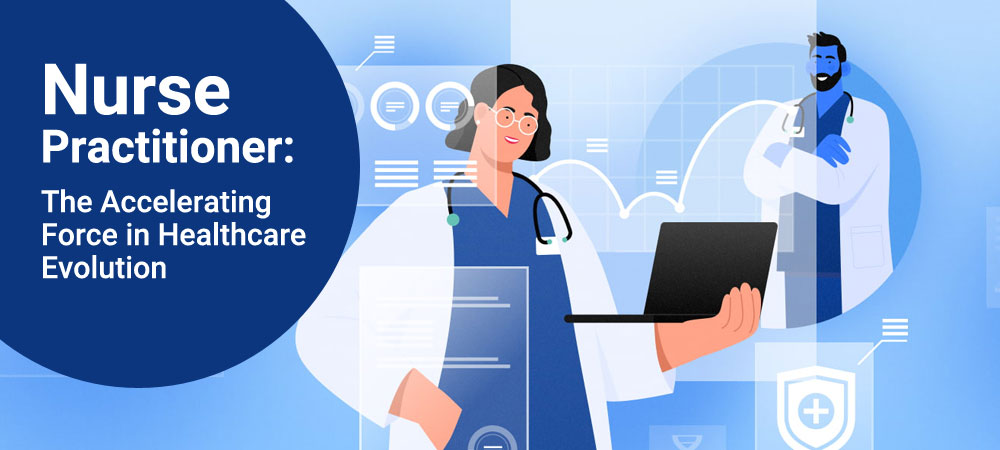
Nurse Practitioners: The Accelerating Force in Healthcare Evolution
Blog

Nurse Practitioners: The Accelerating Force in Healthcare Evolution

Explore how Nurse Practitioners are revolutionizing healthcare with unparalleled expertise and patient care. Dive into the journey of this booming profession, its impact on the medical field, and why it’s being hailed as the rocket ship propelling healthcare into a new era. Nurse practitioners (NPs) are a profession that is rapidly ascending to new heights in the rapidly changing healthcare landscape. As we investigate why nurse practitioners are the fastest-growing stars in the healthcare galaxy, buckle up and get ready for a crazy trip! Why the Nurse Practitioners Phenomenon Is Gaining Traction: Demand: Nurse practitioners have stepped forward to fill the void left by the impending physician shortage and the soaring healthcare requirements. NPs are essential parts of the healthcare team because they contribute a wealth of knowledge, expertise, and compassion to all they do, from primary care to specialist treatments. Flexibility and Versatility: Nurse practitioners are multitasking Swiss Army knives of the medical field! NPs wear several hats and are able to easily adjust to changing patient demands, whether they are diagnosing illnesses, giving drugs, or educating patients. Patient-Centered Care: NPs are well known for their all-encompassing approach to patient care, emphasizing wellness promotion and sickness prevention in addition to disease treatment. Nurse practitioners provide people the tools they need to take charge of their own health and well-being by placing a heavy emphasis on patient education and empowerment. The Data is Clear: Nurse Practitioners Growth Is Exploding Explosive Growth: The number of nurse practitioners in the US has been rising at an astounding rate, surpassing almost all other healthcare professions, according to the most recent data. The demand for NPs is increasing, and this dynamic profession has limitless opportunities. Diverse Practice Environments: Nurse practitioners are not restricted to conventional hospital environments—quite the contrary! Wherever healthcare is most required, including hospitals, clinics, schools, businesses, and even patients’ homes, NPs are there. Because of their adaptability, nurse practitioners have countless opportunities to improve the lives of patients all across the world Riding the Wave: How NPs Will Shape Healthcare’s Future Advocacy and Leadership: Nurse practitioners are leaders and change agents in addition to being healthcare professionals. Nurse practitioners (NPs) are advancing innovation, influencing healthcare policy, and promoting the health and well-being of communities worldwide thanks to their special combination of clinical competence and patient-centered approach. Teamwork and Collaboration: In the complicated healthcare environment of today, providing high-quality, patient-centered care requires strong teamwork. To guarantee smooth coordination and continuity of treatment for patients, nurse practitioners collaborate closely with doctors, nurses, pharmacists, and other medical specialists. Lifelong Learning and Growth: Graduating marks only the start of the path to become a nurse practitioner! NPs who are dedicated to professional development and lifetime learning broaden their skill sets, stay up to date on the most recent developments in healthcare, and progress as practitioners. Nurse practitioners are leading the way, fostering innovation, and influencing the direction of healthcare as the industry continues to change. One patient at a time, NPs are changing healthcare delivery and changing lives with their adaptability, knowledge, and steadfast dedication to patient-centered care. So there’s no need to search any more if you’re prepared to dive headfirst into the fascinating field of nurse practitioners and experience a profession that blends passion, purpose, and boundless potential!
Scroll to Top