Blog

Nursing Skills
Blog

10 Nursing Skills You Cannot Learn in the Classroom

Nursing is a profession that involves more than just textbooks and lectures; it requires compassion, adaptability, and real-world experience. While classroom education provides a solid base, some of the most important nursing skills can only be developed via hands-on experience and a thorough understanding of human relationships. In this blog article, we’ll look at ten nursing abilities that go beyond the classroom, providing insight into the multidimensional world of nursing as performed by the dedicated professionals at MetaSense Inc. 01. Empathetic Communication: Empathetic Communication is essential for efficient nursing care, but mastering it requires more than just classroom training. It is important understanding each patient’s individual demands and feelings. Nurses at Metasene Inc. receive specialized training that emphasizes active listening, nonverbal cues, and establishing a supportive environment in which patients feel heard and respected. 02. Crisis Management: Effective Crisis Management requires the ability to remain calm and collected in high-stress situations, which cannot be fully prepared for by theoretical understanding. Metasene Inc. nurses are educated to manage situations calmly and make vital decisions under duress. This talent is honed by hands-on experiences, simulated scenarios, and ongoing exposure to a variety of healthcare concerns. 03. Cultural Competence: Understanding and appreciating other cultures is essential in healthcare. MetaSense Inc. nurses receive cultural competency training to ensure they can deliver patient-centered care to people of all backgrounds. This includes not only identifying cultural differences, but also customizing care strategies to each patient’s specific requirements and beliefs. 04. Time Management: Effective Time Management is essential in nursing’s fast-paced environment. Nurses at Metasene Inc. learn how to prioritize duties, assign responsibilities, and make quick decisions while preserving high-quality care. This competence develops through hands-on experience, as nurses negotiate changing patient loads, unforeseen situations, and shifting priorities in a dynamic healthcare environment. 05. Teamwork: Real-world healthcare settings are the ideal place to grasp the true complexities of collaborative teamwork, but classroom scenarios can help imitate it. Metasene Inc. supports a collaborative culture, ensuring that nurses are not only competent in their respective jobs, but also capable of collaborating smoothly with other healthcare professionals to deliver comprehensive patient care. 06. Patient Advocacy: Patient Advocacy requires more than understanding healthcare policies and ethical concepts. Metasene Inc. nurses are educated to actively engage with patients, ensuring that their perspectives are heard and their rights are upheld. This talent develops with experience, as nurses learn to navigate complex healthcare systems, communicate effectively on their patients’ behalf, and advocate for the best possible outcomes. 07. Adaptation: Nurses must be adaptable in the ever changing healthcare industry. MetaSense Inc. nurses are exposed to a variety of clinical situations, allowing them to swiftly adapt to new technology, protocols, and approaches. This hands-on approach enables nurses to handle unforeseen situations and embrace change as a necessary aspect of their job. 08. Critical Thinking: Nurses rely on critical thinking to examine events, make educated judgments, and handle problems effectively. MetaSense Inc. prioritizes the development of critical thinking abilities through real-world scenarios, case studies, and ongoing professional development. This guarantees that nurses can assess difficult circumstances, examine many elements, and execute appropriate solutions to improve patient outcomes. 09. Resilience: Nurses face emotional stress, long hours, and stressful conditions, requiring resilience. Metasene Inc. understands the value of resilience and offers support tools to help nurses deal with the challenges of their jobs. This includes mental health services, mentorship programs, and a supportive work atmosphere that fosters open communication and camaraderie among the nursing team. 10. Patient Education: Nursing involves educating patients on their health, treatment strategies, and preventive actions. Metasene Inc. nurses succeed at patient education because they communicate clearly, use patient-friendly language, and personalize information to each individual’s needs. This talent is honed by ongoing contacts with patients and a dedication to empowering people to actively participate in their own healthcare journeys. Conclusion: While classroom education provides a solid basis for nursing, hands-on experiences and practical application reveal the genuine core of this great profession. MetaSense Inc. is dedicated to training not only qualified nurses, but also compassionate and talented healthcare providers. By taking a holistic approach to nursing education, Metasene Inc. ensures that its nurses have the wide skill set required to manage the complexity of healthcare and offer excellent patient care. Metasene Inc. serves as a beacon for those seeking to join the ranks of dedicated healthcare professionals, helping them to a rewarding and influential nursing career.
Nursing Home Growth
Blog

Strategic Considerations for Nursing Home Growth

The escalating expenses associated with healthcare provision remain a pivotal consideration for nursing homes contemplating expansion. To effectively manage costs, many such institutions are adopting a strategic approach, closely monitoring regional reimbursement trends, labor market dynamics, and implementing astute managed care strategies. The convergence of these factors can pave the way for sustainable growth in states that offer promising opportunities for expansion. Discover key strategies for expanding and improving services in Nursing Home Growth. Enhancing resident care, leveraging technology, and implementing innovative practices to foster growth and sustainability in nursing homes. Nursing Home Growth: Strategies for Expanding Quality Care Regional disparities in reimbursement trends and regulatory frameworks underscore the need for a nuanced understanding of available options. Some states provide higher reimbursement rates for specific services, necessitating a comprehensive assessment of the profitability of these services. Armed with this insight, nursing homes can make informed decisions about where to expand their operations. The availability and affordability of skilled labor constitute another critical factor in the expansion equation. Variations across states in the size of the qualified workforce can significantly impact long-term viability. Furthermore, disparities in labor costs present opportunities for nursing homes to optimize overhead expenses, thereby maximizing revenue potential. Strategic managed care initiatives should not be overlooked in the pursuit of attractive expansion opportunities. Implementing managed care allows nursing homes to deliver services efficiently, reducing administrative overheads while maintaining high-quality standards. However, the landscape of managed care is nuanced, with requirements varying from state to state. Consequently, it is imperative for nursing homes to navigate the specific rules and regulations of each state before committing to expansion. Nursing homes eyeing growth must meticulously consider regional reimbursement trends, labor market dynamics, and managed care strategies as part of their evaluation process. A thorough understanding of the local landscape empowers these institutions to make judicious decisions, ensuring successful expansion. Prudent investments today will yield dividends in the future, enabling nursing homes to optimize resources and unlock their full growth potential. Finding the optimal blend of talent, technology, and experience is indispensable for any business aiming to expand successfully. Nursing homes should engage with experts specializing in regional reimbursement trends, labor dynamics, and managed care strategies to gain a comprehensive understanding of the landscape and make well-informed decisions. Collaborating with experts enhances the likelihood of choosing states that present attractive opportunities for expansion, resulting in increased revenue and sustained success. Thriving in an ever-evolving healthcare landscape is no small feat. By dedicating time to comprehend local reimbursement trends, labor dynamics, and managed care strategies, nursing homes can make informed decisions regarding their expansions, ensuring viable growth opportunities. Ultimately, this approach leads to heightened revenue potential and enduring success. While the initial prospect might appear daunting, investing time in understanding regional reimbursement trends, labor market dynamics, and managed care strategies can yield long-term benefits. Through collaboration with experts and making informed decisions about expansion into attractive states, nursing homes can secure increased revenue potential and robust growth opportunities. This strategic approach positions them for success in an ever-changing healthcare environment. Nursing Home Growth in Response to Aging Populations As the aging population increases, the demand for high-quality nursing home care is on the rise. Recognizing this need, many states have taken proactive steps to expand existing nursing homes and establish new ones, aiming to meet the growing demand. This expansion, however, comes with its unique set of challenges, including the need for sufficient space and resources, comprehensive staff and nurse training, and the delivery of personalized care for each resident. In certain states, lawmakers have allocated funding to facilitate nursing home expansion. This financial support is often directed towards constructing new facilities or upgrading existing ones with state-of-the-art equipment and technology. Additionally, specific programs may be available to enable nurses to undergo additional training, enhancing their ability to serve patients and deliver a higher quality of care. To ensure the smooth operation of nursing homes, many states have implemented regulations and guidelines for staff, patients, and visitors. These regulations may encompass various aspects, such as restricting certain activities like smoking or drinking, and providing detailed information about the range of care available in each facility. Adherence to these guidelines is crucial for all parties involved in nursing home expansion to guarantee the safety and well-being of everyone concerned. For individuals concerned about their state’s nursing home system, staying informed about the expansion process is essential. Familiarity with rules and regulations, coupled with an understanding of the operational aspects of local nursing homes, facilitates the provision of superior care for loved ones. Nursing home expansion is integral to addressing the needs of an aging population, making it imperative for everyone to be cognizant of their state’s plan. One effective way to contribute to nursing home expansion is by becoming a volunteer or donor. Through financial support or time commitment, individuals can play a pivotal role in ensuring quality care for those in need. Engaging with local lawmakers and advocating for changes that could benefit the nursing home system further amplifies the impact. Through collective advocacy and proactive involvement, we can collaborate to ensure that every senior receives the care they deserve.
nurse leadership
Blog

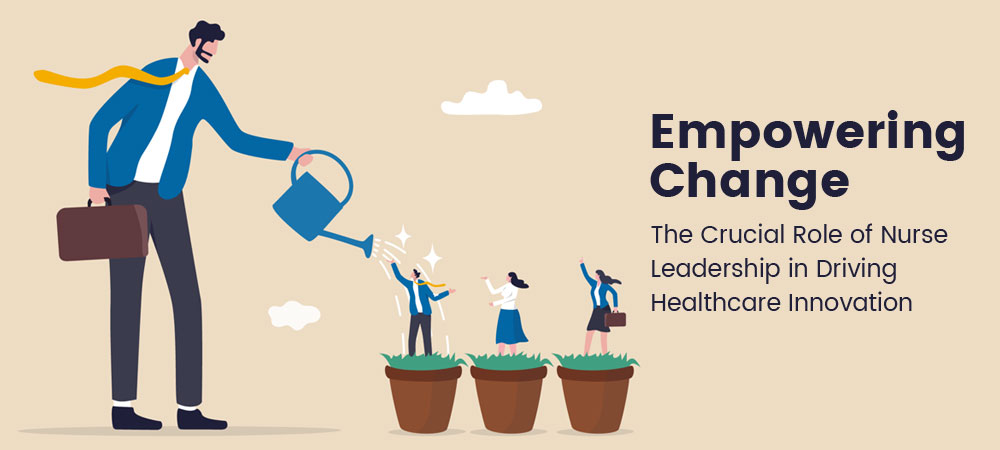
Empowering Change: The Crucial Role of Nurse Leadership in Driving Healthcare Innovation

Nurse leaders are essential in guiding the healthcare business toward innovation and progress in the quickly changing healthcare landscape. Nurse leaders must recognize and accept their role as change agents as patient expectations, technology, and methods continue to progress. We’ll examine the vital roles that nurse leadership play in advancing healthcare innovation in this blog post. Innovation is a need in the modern healthcare setting, not merely a trendy term. Leading innovative projects is a great fit for nurse leaders because of their distinct viewpoint on patient care and operational nuances. Let’s examine how nurse leadership might propel the advancement of medical procedures. Role of Nurse Leadership Comprehending the Environment: Nurse leaders need to be well-versed in the state of healthcare today in order to drive innovation successfully. This entails keeping up with developments in developing trends, regulations, and technology. Nurse leaders can find areas for improvement within their specific healthcare organizations by actively seeking out and comprehending the most recent advances. Encouraging an Innovative Culture: Promoting an innovative culture is essential to bringing about meaningful change. A creative and welcoming workplace where team members are encouraged to think outside the box is something that nurse leaders can cultivate. Creating avenues for transparent dialogue and cooperation among members of the healthcare team can help find novel answers to persistent problems. Leading by Example: Innovative thinking needs to be embodied by nurse leaders. Through exhibiting a readiness to accept change and consistently enhance themselves, they motivate their groups to follow suit. Adopting new technologies, actively engaging in professional development opportunities, and exhibiting a dedication to lifelong learning are all components of setting an example for others to follow. Collaboration: It is essential for innovation to flourish. It is imperative for nurse leaders to proactively pursue collaborations with fellow healthcare practitioners, technological specialists, and industry players. Nurse leaders can harness a range of perspectives and experience by promoting collaborative initiatives, which can lead to more complete and robust solutions. Advocacy for Professional Growth: MetaSense Inc. is a proponent of professional growth in addition to being a supplier of training courses. MetaSense Inc. aggressively advocates for the acknowledgement of nurse practitioners as essential members of the healthcare team through advocacy campaigns. MetaSense Inc. facilitates the ongoing advancement and enhancement of the nurse practitioner (NP) profession by endorsing the elimination of practice barriers and cultivating cooperative connections with other healthcare professionals. Overcoming Obstacles: There are obstacles in the way of healthcare innovation. Nurse leaders could run into issues with technology, financial restraints, or opposition to change. To tackle these obstacles, one needs to be resilient, strategically plan, and communicate well. In order to make sure that the advantages of innovation outweigh the drawbacks, nurse leaders need to be skilled at overcoming obstacles. Showcasing Success Stories: By highlighting effective instances of nurse-led innovation, the healthcare community can be motivated. Telling tales of better patient outcomes, efficient workflows, or improved care delivery highlights the observable effects of creative endeavors. These success stories can be used by nurse leaders to inspire and get support for continued innovation initiatives. To sum up, nurse leadership is a key component of healthcare innovation. Nurse leaders may drive their businesses toward improved patient care and operational excellence by remaining informed, encouraging innovation, setting an example, working well with others, and overcoming obstacles. Adopting an innovative mindset helps progress the healthcare sector as a whole as well as benefiting specific healthcare businesses. Looking ahead, nurse leaders have a special chance to influence the way healthcare is provided by virtue of their commitment to bringing about constructive change.
Blog

Nurse Practitioner Emerges as the Fastest Growing Profession in Healthcare: A Spotlight on MetaSense Inc.’s Role in Shaping the Future

One field in the constantly changing healthcare industry has stood out as a leader in innovation and growth: nurse practitioners (NPs). Nurse Practitioners are entering key roles and are the fastest-growing profession in the healthcare sector as a result of the increased demand for advanced and specialized healthcare services. In this blog, we examine the causes of this trend, the distinctive contributions made by nurse practitioners, and the significant influence MetaSense Inc.’s dedication to this evolving field is having on the future of healthcare. The Nurse Practitioner Surge: Unraveling the Trends Filling the Gap in Primary Care: Nurse practitioners are becoming an essential answer as healthcare systems struggle with the rising demand for primary care services. Because of their special positioning, advanced practice nurses may offer patients comprehensive primary care that takes a whole-person approach to wellbeing. Nurse practitioners are uniquely positioned to bridge the gaps in healthcare accessibility, particularly in underprivileged regions, because to their capacity to diagnose, treat, and prescribe medications. Focused specialist Knowledge: Nurse practitioners contribute a multitude of specialist knowledge to the healthcare system. Nurse Practitioners (NPs) possess a varied range of skills to address the specific requirements of patients at every stage of life. They have postgraduate degrees and have received specialized training in fields like family medicine, pediatrics, and mental health. Because of their adaptability, nurse practitioners are valued. MetaSense Inc.’s Commitment to Nurse Practitioners: Shaping the Future of Healthcare Detailed Training Programs: Nurse practitioners are essential to the delivery of contemporary healthcare, as acknowledged by MetaSense Inc. MetaSense Inc. provides extensive training programs that are specifically designed to meet the demands of Nurse Practitioners in order to support the advancement and development of this profession. These courses address the most recent developments in healthcare, guaranteeing that NPs have the abilities and know-how required to successfully manage the challenges of their jobs. Cutting-Edge Technology Integration: In the era of digitalization, technology is essential to improving the provision of healthcare. Leading the way in introducing state-of-the-art technologies into Nurse Practitioner education and practice is MetaSense Inc. The NPs affiliated with MetaSense Inc. are knowledgeable about the instruments that enhance patient care, expedite processes, and improve overall healthcare outcomes, including electronic health records (EHRs) and telemedicine platforms. Advocacy for Professional Growth: MetaSense Inc. is a proponent of professional growth in addition to being a supplier of training courses. MetaSense Inc. aggressively advocates for the acknowledgement of nurse practitioners as essential members of the healthcare team through advocacy campaigns. MetaSense Inc. facilitates the ongoing advancement and enhancement of the nurse practitioner (NP) profession by endorsing the elimination of practice barriers and cultivating cooperative connections with other healthcare professionals. Networking and Community Building: MetaSense Inc. helps Nurse Practitioners connect with one another since it understands how important a supportive community is. NPs affiliated with MetaSense Inc. get access to online forums, seminars, and workshops as well as peer connections and industry trends. The collective influence of nurse practitioners is bolstered by this sense of community, which also serves to uphold their leadership position in the medical field. Nurse practitioners are at the vanguard of this revolutionary movement as the need for sophisticated, patient-centered healthcare services grows. With its steadfast dedication to the advancement of nurse practitioners, MetaSense Inc. is significantly influencing the direction of healthcare. By offering thorough training, fighting for professional recognition, and creating a welcoming environment, MetaSense Inc. makes sure that nurse practitioners are not only keeping up with the changing healthcare environment but also paving the path for a more accessible and healthy future for everybody.  
Travel Nursing: Turning Holidays into Shared Adventures
Blog

Travel Nursing: Turning Holidays into Shared Adventures

Travel Nursing Adventures: Transforming Holidays into Unforgettable Journeys Explore the world of travel nursing, where every holiday transforms into a shared adventure. Dive into unique destinations, embrace diverse cultures, and find joy in the journey. Discover how travel nursing is not just a profession, but a doorway to unforgettable experiences and lifelong connections. Join us in turning each assignment into an opportunity for exploration and personal growth. A travel nurse’s lifestyle paves the way for the creation of fresh and new holiday traditions, especially in a new city setting. Embracing the opportunity to celebrate with fellow healthcare professionals and patients becomes more than just a festive occasion – it forms a supportive community away from home. Navigating the holiday season as a travel nurse offers a mix of challenges. While the holidays typically suggest thoughts of warmth and togetherness, being away from home can elicit feelings of loneliness. However, the companionship among fellow travel nurses becomes particularly meaningful during this time, creating a chance for nursing teams to establish a stand-in family at work. The bonds established with co-workers can become a source of comfort and joy, transforming what might have been a solitary season into a time marked by shared laughter, collective memories, and a unique sense of belonging. Making New Holiday Traditions Travel nurses, working away from home and family, bring a unique mix of experiences that add a special touch to the holiday season. At work they come together to create fresh traditions, building a sense of community and spread festive cheer. Check out these delightful holiday traditions that travel nurses can start: Potluck Celebrations: Travel nurses frequently come from diverse backgrounds and regional locations. One way they celebrate cultural differences is through potluck dinners. At gatherings each nurse may prepare a dish that represents their cultural or regional holiday cuisine, turning the gathering into a culinary journey around the world. Secret Santa Exchanges: Travel nurses can add a touch of excitement and surprise during the holiday season by organizing a Holiday gift exchange. Drawing names and exchanging small, thoughtful gifts helps build connections among the nursing staff and creates a sense of joy and anticipation. Cultural Exchange Nights: Given the multicultural nature of travel nursing, interested nurses may organize cultural exchange nights where they share traditions, customs, and holiday stories from their respective backgrounds. This not only fosters understanding but also brings a rich tapestry of experiences to the holiday celebrations. Volunteer Activities: Recognizing the importance of giving back, travel nurses may come together to volunteer during the holiday season. Whether it’s organizing a toy drive for local children, serving meals at a soup kitchen, or participating in community outreach programs, these activities create a sense of purpose and fulfillment. Traveling Decorations: With travel nurses often moving from one assignment to another, they may create a set of portable holiday decorations that can be easily packed and taken to each new location. This not only brings a festive atmosphere to their temporary homes but also serves as a symbol of continuity and shared experiences. Reflective Moments: Travel nurses, often working in high-stress environments, can incorporate moments of reflection into their holiday traditions. This could involve sharing stories of gratitude or taking a moment of silence to appreciate the resilience and strength of their colleagues. Connecting with Family During Holidays Through Technology In healthcare, where travel nurses often find themselves far from home during holidays, technology plays a pivotal role in staying connected with family and friends. Through organizing virtual gatherings on platforms like Zoom and FaceTime, social media sharing, online gift-giving, and participation in digital support networks, travel nurses bridge the physical gap with loved ones. In conclusion, working during the holidays as a travel nurse is a collaborative experience that extends beyond professional growth and diverse experiences. Engaging with fellow healthcare professionals during the holiday season enhances bonds and fosters a sense of community. Embrace the adventure, celebrate holidays with newfound friends, and discover the joy of shared experiences, making the journey as a travel nurse as rewarding as the destination. Happy Holidays!
Path to Excellence: Your Guide to Becoming a Certified Registered Nurse Anesthetist (CRNA) with MetaSense Inc.
Blog

Path to Excellence: Your Guide to Becoming a Certified Registered Nurse Anesthetist (CRNA) with MetaSense Inc.

Starting the process of becoming a Certified Registered Nurse Anesthetist (CRNA) is a step toward success in the medical industry. We at MetaSense Inc. understand the importance of this career decision and are dedicated to offering advice and assistance along your CRNA path. We’ll walk you through the process of becoming a CRNA in this blog article and show you how MetaSense Inc. can be your reliable partner in reaching your career goal. Comprehending the Function of a CRNA: Give a thorough rundown of the duties and significant impact that Certified Registered Nurse Anesthetists have inside the medical system. Stress how crucial it is that they have experience both in maintaining patient safety and delivering anesthetic. Describe the prerequisites and educational requirements needed to become a Certified Nurse Anesthetist (CRNA), including the nursing degrees, clinical experience, and any other certifications that may be needed. Stress that MetaSense Inc. is dedicated to helping prospective CRNA’s fulfill these requirements. Choosing the Best CRNA Program: Offer readers advice on how to choose the best CRNA program by taking into account elements including clinical exposure, faculty experience, and accreditation. Describe how MetaSense Inc. helps prospective CRNA’s locate credible and high-quality training courses. How to Handle the Application Procedure: Describe the steps involved in applying to CRNA programs, including the regular tests, personal statements, and reference letters. Talk about the tools and advice that MetaSense Inc. offers to help the application process go more smoothly. Clinical Experience and Training: Stress the value of practical clinical training in a CRNA curriculum. Talk about how MetaSense Inc. helps prospective CRNAs find clinical settings and mentorship programs to help them develop their practical abilities. Getting Ready for Certification: Walk readers through the process of getting ready for the CRNA certification test. Talk about the resources offered by MetaSense Inc. to help candidates succeed, such as review courses and study guides. Professional Development and Networking: Stress the need of maintaining a commitment to these two areas. Talk about the platforms that MetaSense Inc. offers CRNAs to network with colleagues, get continuing education, and keep informed about developments in the field. Customer Success Stories: The Effect of MetaSense Inc. share the endorsements and success stories of people who have used MetaSense Inc.’s assistance to seek their CRNA certification. Anecdotal evidence demonstrates how our assistance helps clients reach career goals. It takes commitment, study, and support to become a Certified Registered Nurse Anesthetist. You can confidently go through each phase and ensure a road to greatness in your CRNA profession when MetaSense Inc. is your partner. Get in touch with MetaSense Inc. right now to learn more about the extensive resources and support offered to prospective CRNAs. This is where your path to excellence begins.
Navigating Change: Optimal States for Nursing Home Expansion with MetaSense Inc
Blog

Navigating Change: Optimal States for Nursing Home Expansion

Nursing home facilities confront the particular difficulty of strategically growing to meet the changing requirements of an aging population in an era of perpetual change and growth. At MetaSense Inc., we recognize how crucial it is to handle these adjustments with ease in order to guarantee the best conditions for the growth of nursing homes. Using the experience of MetaSense Inc., we will examine the crucial factors and the calculated strategy needed to ensure the success of expansion in this blog post. Recognizing the Dynamics of Nursing Home Expansion: MetaSense Inc. is aware of the ever-changing healthcare landscape, particularly in light of the aging of the population. We’ll look at the circumstances, patterns, and needs that make more nursing homes necessary. Strategic Expansion: Explore the distinct approach to strategic growth in healthcare facilities taken by MetaSense Inc. Talk about the ways in which our knowledgeable staff spots chances and resolves obstacles to guarantee profitable and long-lasting growth. Important Pointers for Optimal States: Emphasize the elements that are critical in figuring out the best conditions for nursing home growth. This could involve community needs assessments, regulatory concerns, and demographic study. Overcoming Regulatory Obstacles with MetaSense Inc.: MetaSense Inc. is adept at negotiating the complicated regulatory environment. See how our staff helps to ensure a seamless expansion process by helping with licensing, compliance, and adherence to healthcare regulations. Leveraging Technology for Facility Optimization: MetaSense Inc. integrates state-of-the-art solutions to optimize healthcare facilities in a world driven by technological breakthroughs. Talk about how technology can be used to improve overall efficiency, streamline processes, and improve patient care. Adjusting to an Aging Population’s Needs: MetaSense Inc. adapts nursing facility expansion techniques to the unique requirements of an aging population as the demographic environment changes. Discover our dedication to offering residents compassionate, high-quality care. Customer Success Stories: The Effect of MetaSense Inc. share client endorsements and success stories that have resulted from MetaSense Inc.’s nursing home growth experience. Empirical examples lend credibility and illustrate the observable outcomes of our methodology. MetaSense Inc. is a reliable partner for nursing homes starting their expansion journey since it provides customized solutions for effectively managing change. Through a strategic growth approach, adherence to regulations, and integration of technology, we guarantee that nursing homes not only flourish but also expand in the constantly changing healthcare environment. Get in touch with MetaSense Inc. right now to discuss the best conditions for your nursing home expansion.
The Journey of a Triage Nurse: From Aspiring to Expert
Blog

From Aspiring to Expert: The Journey of a Triage Nurse

Explore the critical role of a triage nurse with our in-depth guide. Learn about the skills, responsibilities, and decision-making processes essential for prioritizing patient care in emergency settings. Ideal for aspiring nurses and healthcare professionals seeking insights into this vital nursing specialty. The triage nurse’s job is vital and hard in the hectic world of medicine. In order to prioritize treatment, assess patient requirements, and guarantee prompt actions, triage nurses are essential. For individuals who wish to pursue a profession in triage nursing or who want to improve their abilities, this blog will walk you through the process of going from beginner to expert, illuminating the crucial actions and competencies required to be successful in this fast-paced industry. Recognizing the Fundamentals: The Basis of Triage Nursing It’s important to understand the basic principles of triage nursing before delving into its complexities. The main priorities for aspiring triage nurses should be learning the fundamentals of nursing, comprehending medical jargon, and honing their communication skills. Building a strong foundation is essential for a successful career in the dynamic and quickly changing field of healthcare. Instruction and Focused Training: Establishing Proficiency It is essential to pursue additional education and specialized training in order to become a skilled triage nurse. Numerous nursing staffing organizations provide workshops and extensive training programs specifically designed to meet the unique requirements of triage nursing. These courses cover sophisticated evaluation methods, critical thinking, and decision-making abilities, giving nurses the instruments they require to succeed in their positions. Acquiring Practical Experience: The Essential Link Between Theory and Application Although education establishes the foundation, practical experience serves as the link between theory and application. Future triage nurses should look for chances to work in a range of healthcare environments so they may experience different patient groups and situations. The acquisition of practical experience not only refines clinical abilities but also cultivates adaptability, an essential quality in the dynamic field of healthcare. The Modern Triage Nurse: Embracing Technology Technology is essential to patient care in the modern healthcare setting. Professional triage nurses use electronic health records (EHRs) and telemedicine platforms to increase their efficiency and stay up to date on the newest developments in healthcare technology. In order to provide prompt and accurate triage assessments, familiarity with these technologies is not only advantageous but frequently necessary. Clear Communication: The Key to Triage Nursing Skilled triage nurses are also good speakers. They easily wade through complicated medical material to make sure patients receive instructions that are precise and unambiguous. They also work well with other medical specialists, encouraging a team-based approach to patient treatment. Skillful triage nursing is built on effective communication, which is not simply one of its many pillars. Getting the Hang of Time Management: Adapting to a Quick-Changing World Every second matters in the high-stakes, fast-paced world of triage nursing. Skilled triage nurses are excellent time managers who effectively prioritize assignments and evaluations to deliver prompt and efficient treatment. Proficiency in time management is acquired through practice and has a substantial effect on the caliber of patient results. Developing Emotional Intelligence: A Caring Method Expert triage nurses have a high degree of emotional intelligence in addition to their clinical expertise. With compassion and empathy, they skillfully negotiate the emotional complexity of patient relationships. By developing their emotional intelligence, triage nurses can help patients in need by being a reassuring presence in addition to making accurate assessments. Ongoing Professional Growth: Keeping Up with the Times The healthcare industry is always changing as new procedures, technology, and treatments are introduced on a regular basis. Skilled triage nurses are dedicated to lifelong learning and career advancement. To stay at the forefront of triage nursing, one must continue their education, attend conferences, and keep up with industry advancements. Establishing a Community of Support through Networking and Mentoring A triage nurse’s path can be greatly aided by having a strong professional network. Look for mentorship programs, make connections with seasoned triage nurses, and take part in industry gatherings. Creating a network gives you direction and counsel, but it also gives you a sense of belonging, which is essential for succeeding in the challenging healthcare environment. Showcasing Expertise: Using a Nursing Staffing Company to Advance Your Career Collaborating with a nursing staffing firm will help you go from being an aspirant triage nurse to a seasoned professional in the area. These groups frequently have a wide network of medical facilities looking for qualified triage nurses. You can take advantage of a variety of opportunities, expand your skills, and advance your career by partnering with a staffing business. The path from novice to proficient triage nurse is an exciting and fulfilling one. Nurses may confidently manage the complexity of this crucial role by emphasizing education, practical experience, technological integration, excellent communication, and ongoing professional development. Remember that every step you take on this path will help you become an expert triage nurse—a practitioner who not only meets but surpasses the demands of the industry, guaranteeing the best possible treatment for patients and making a significant contribution to the team’s overall success in healthcare. Getting in touch with MetaSense Inc. can be the key to opening up new doors and advancing your triage nursing career.
2023's Top 15 High Paying Nursing Professions: Your Path to Success in the Healthcare
Blog

2023 Top 15 High Paying Nursing Careers in Healthcare:

Top 15 High Paying Nursing Careers in Healthcare: Unlock a world of opportunities with our comprehensive guide to nursing careers. Explore diverse paths, from clinical practice to advanced specialties, and gain insights on education requirements, job outlooks, and personal growth potential in the nursing field. Perfect for students, career switchers, and professionals looking to advance in healthcare. For individuals contemplating a profession in nursing, numerous employment prospects await. Nursing not only offers gratifying and esteemed work but also provides competitive compensation compared to various other occupations. Explore our list of the top 15 highest-paying nursing positions in 2023. Certified Registered Nurse Anesthetist (CRNA) – Median Salary: $174,790: CRNAs are responsible for administering anesthesia to surgical patients and monitoring vital signs during procedures, utilizing various techniques to ensure patient safety and comfort. Nurse Anesthetists – Median Salary: $165,120: Nurse anesthetists specialize in providing anesthesia to surgical patients, directly administering anesthesia, monitoring vital signs, and offering pain management services. Psychiatric Nurse Practitioner – Median Salary: $109,820: Psychiatric nurse practitioners provide care for patients with mental health issues, employing a variety of therapies and medications to help manage their conditions. Certified Nurse Midwife (CNM) – Median Salary: $105,030: CNMs specialize in providing healthcare for women throughout pregnancy, childbirth, and postpartum. They may also offer primary care services such as gynecologically exams and contraceptive counselling. Clinical Nurse Specialist (CNS) – Median Salary: $103,880: CNSs provide specialized care for patients with chronic or complex health conditions, developing treatment plans and collaborating closely with physicians to coordinate patient care. Nursing Administrator – Median Salary: $82,000: Nursing administrators oversee nursing staff and departments in healthcare settings, ensuring safe and effective patient care in hospitals, medical practices, or other healthcare facilities. Nursing Informatics Specialist – Median Salary: $84,839: Nursing informatics specialists design and manage information systems within healthcare settings, requiring expertise in computers, applications, and databases to ensure efficient use of medical records. Registered Nurse (RN) – Median Salary: $77,460: RNs provide fundamental, hands-on care across diverse settings, administering medications, changing dressings, and monitoring the physical conditions of patients spanning all age groups. Hospice and Palliative Care Nurse – Median Salary: $77,763: Specializing in caring for terminally ill patients and their families, hospice and palliative care nurses strive to enhance patient comfort and maintain quality of life during challenging circumstances. Oncology Nurse – Median Salary: $77,912: Oncology nurses deliver specialized care to patients dealing with cancer or undergoing cancer treatment. Their responsibilities include monitoring physical conditions, administering medications, and providing emotional support. Nurse Educator – Median Salary: $78,912: Nurse educators play a crucial role in crafting curricula and instructing in nursing programs and healthcare institutions. Additionally, they might deliver ongoing educational initiatives for nurses or engage in research within the nursing domain. Neonatal Nurse – Median Salary: $77,444: Neonatal nurses specialize in providing care to newborns, collaborating closely with neonatologists and healthcare professionals to ensure optimal care for infants. Emergency Room Nurse – Median Salary: $67,945: Emergency room nurses specialize in delivering rapid, on-the-spot care to patients requiring urgent medical attention. Their ability to think quickly and respond calmly is crucial in stressful situations. Intensive Care Unit Nurse – Median Salary: $67,945: ICU nurses provide specialized care for critically ill or injured patients. Collaborating closely with physicians, they offer comprehensive, round-the-clock care to ensure the well-being of their patients. Home Health Nurse – Median Salary: $63,722: Home health nurses offer care to patients living at home, assisting with daily tasks like dressing, bathing, and medication management. Some may also provide wound care or physical therapy services. Regardless of the specific nursing role you opt for, be assured that it will be fulfilling and financially advantageous. With the appropriate qualifications and experience, you can swiftly embark on the path to becoming a well-compensated nurse. Begin exploring these prospects today! For those who are still uncertain about pursuing a career in nursing, there are numerous alternative paths to explore. Nurses possess a distinctive skill set that extends beyond traditional healthcare settings, allowing them to engage in consultancy or offer expert opinions in legal contexts. Furthermore, obtaining a nursing degree can open doors to further education and certifications in various healthcare or medical fields. To ensure that you align your career goals with the right path, conducting thorough research on the diverse opportunities available to nurses is crucial. Collect information on various specializations, licensing requirements, and job prospects to make an informed decision about your future. Given the dynamic nature of the healthcare landscape, a nursing degree offers boundless potential for achievement. Regardless of the specific route you choose a career in nursing provides numerous unique opportunities for both professional and personal growth. Take the initiative to explore nursing jobs today and discover the potential of making one of the best decisions for your future. Lastly, make sure to leverage the available resources for nurses. Numerous online courses and certifications can keep you updated on industry trends and advancements in nursing care. Many organizations also provide specialized support services, enabling nurses to continue their education and professional development without compromising their work commitments. Armed with the right resources, success in your chosen nursing field is well within reach. Remember that there is no limit to what you can achieve with a nursing career. Good luck!
Nursing Necessities: The Essential Top 10 Tools for New Grad Nurses
Blog

Nursing Necessities: The Essential Top 10 Tools for New Grad Nurses

As a new graduate nurse starting your career in healthcare, it’s important to have the necessary tools to provide the best patient care possible. From stethoscopes to digital charting aids, there are essential pieces of equipment that will empower and support you in your role. Your nursing toolbox is the key to success, so make sure you have everything you need to make the most of each day. Although certain hospitals and healthcare facilities provide equipment to their staff, it’s recommended to have your own basic work supplies to be fully prepared for any medical situation that may arise. With ongoing pandemics, it’s even more important to reduce the risk of personal contact with items that others have touched or used. To help new graduate nurses start their careers, we’ve compiled a list of the top 10 tools. Personal Protective Equipment (PPE): As a new nurse, it’s crucial to have Personal Protective Equipment (PPE) readily available. Even though employers are responsible for providing PPE, it’s wise to have your own just in case of shortages in your hospital or healthcare facility. Different types of PPE include face masks, respirators, face shields or goggles, isolation gowns, gloves, and more. For more information on the correct methods of wearing PPE and the different types available, it’s recommended to consult the guidelines provided by the Centers for Disease Control and Prevention (CDC). High-Quality Stethoscope: An essential tool for every nurse. It is necessary to have your own personal stethoscope when working in hospitals and clinics. With plenty of options available, it can be challenging to choose the right one. Investing in a high-quality stethoscope from a reputable brand may seem expensive, but it is a must-have addition to your toolkit. A Quality Blood Pressure Cuff: It’s useful to have your own equipment to take with you when making rounds, especially if supplies are limited at the work location. You never know when manually checking blood pressure may be necessary A Sturdy Bag or Day-pack: A work bag should be both practical and stylish, with compartments for all essentials without being too bulky or cumbersome to carry. It doesn’t have to be large or extravagant, but it should be able to hold your gear, lunch, and water bottle for convenience. Books & Reference Materials: As a new grad nurse, it is helpful to have lab values, nursing report sheets, and dosage calculation sheets as quick references. Electronic versions of these documents can be downloaded for easy access. Penlight: A penlight is a great tool for nurses to use when assessing small areas of the body. Smart Footwear: Are you aware that nursing shifts usually last for 12 hours? To prevent sore, tired, and blistered feet after their shifts, it’s important for nurses to have high-quality footwear. Neglecting this discomfort can result in chronic back and joint pain. You can add comfortable footwear to your bag. Notebook and Pens: You may not always have access to a computer to document patient information. Keeping a notepad handy can assist in recalling vital details about a patient’s health. Bandage Scissors: In medical environments, specific scissors are used to safely cut dressings, bandages, and tape without damaging the skin. These scissors are particularly useful for emergency room nurses who need to remove clothing or cut tape. It is essential to thoroughly clean and disinfect the scissors after each patient’s use. Clinical Calculator App: A clinical calculator app can quickly calculate medication dosages and other important values on the go. It’s also a good idea to pack additional items in your personal bag for work. Things like Tylenol, snacks, a water bottle, a thermometer, and a toothbrush can come in handy. If you’re not sure what else to take, you could ask experienced nurses for their suggestions. Over time, you’ll figure out which items are most important for you to have on hand. As a new nurse, it’s important to be well-prepared. While all your tools are necessary, your knowledge is the most crucial tool you possess. And the more you learn, the better care you’ll be able to provide for patients. To stay current with the latest developments in nursing, attend conferences and connect with other professionals in your field. With the right tools and knowledge, you can ensure success. If you have weighed the advantages of becoming a Travel Nurse and feel it is the right path for you, MetaSense can help you find your first or next assignment. If you need more information, your dedicated Recruiter will be available to answer any questions you have.
Scroll to Top