2024

Oregon's Nurse Staffing Law Enhances Medical Care - Key Highlights | 2024 Update
Blog

Oregon’s Nurse Staffing Law Enhances Medical Care – Key Highlights | 2024 Update

Nurse Staffling Law: Key Highlights Discover how Oregon’s groundbreaking nurse staffing law, effective from 2024, aims to revolutionize medical care and nurse work conditions. Explore the benefits, key provisions, and impact on Oregon’s healthcare system. Oregon has passed a ground-breaking rule governing nurse staffing ratio with the goal of enhancing patient safety and raising the standard of care. The potential for this law to completely change the nursing care landscape has attracted a lot of attention. It sets explicit requirements for nurse-to-patient ratios in healthcare facilities throughout the state. We’ll go over the importance of Oregon’s new nurse staffing ratio regulation, how it affects patient care, and why it’s a turning point for the healthcare sector in this extensive guide. Managing Nurse Workload and Burnout: Reducing workload and minimizing burnout effects are two of the main objectives of Oregon’s nurse staffing ratio statute. The purpose of the legislation is to guarantee that nurses have reasonable workloads and sufficient assistance to provide high-quality care by setting explicit criteria for nurse-to-patient ratios. By lowering the possibility of mistakes and unfavorable outcomes, increases patient safety while also increasing job satisfaction and retention among nurses. Improving Patient Outcomes: Studies have repeatedly demonstrated a positive correlation between adequate nurse staffing numbers and improved patient outcomes. The new legislation in Oregon aims to enhance patient outcomes in a variety of healthcare settings by enacting nurse staffing ratios that are consistent with evidence-based practices. With the potential to decrease readmission and death rates as well as hospital-acquired illnesses, the legislation is positioned to improve the general standard of care provided to patients throughout the entire state. Improving Nurse-Patient Engagement and Communication: Sufficient nurse staffing ratios allow nurses to spend more time with each patient, which strengthens the bonds between them and facilitates improved communication. Patients feel more empowered and supported throughout their healthcare journey when nurses are able to participate in meaningful contacts, answer patients’ issues, and offer knowledge. In the end, this improves patient satisfaction and treatment plan compliance, which improves health outcomes. Encouraging Safe Staffing Practices: The nurse staffing ratio law in Oregon is a driving force behind the adoption of accountable and safe staffing practices in healthcare facilities. The law urges healthcare businesses to put staffing sufficiency and transparency first by imposing precise ratio requirements that are suited to various care settings and patient acuity levels. In addition to giving patients the care they require, this gives nurses the authority to push for safe working conditions and professional standards. Enhancing Workplace Culture and Morale: Attracting and keeping outstanding nursing talent requires a positive work environment. The nurse staffing ratio rule in Oregon encourages a climate of safety, cooperation, and respect in healthcare facilities, which raises employee morale and increases job satisfaction. Better outcomes for patients and healthcare organizations result from nurses who are committed to their work and provide outstanding care when they feel respected and supported in their professions. In conclusion, the new nurse staffing ratio rule in Oregon is a big step toward supporting nursing workers, enhancing patient safety, and raising the standard of healthcare. The Act endeavors to optimize staffing methods, improve patient outcomes, and foster a culture of safety and quality inside healthcare facilities by providing explicit rules for nurse-to-patient ratios. Oregon’s innovative strategy serves as a paradigm for good change in the healthcare business as other states contemplate taking similar steps to address staffing difficulties and enhance patient care.
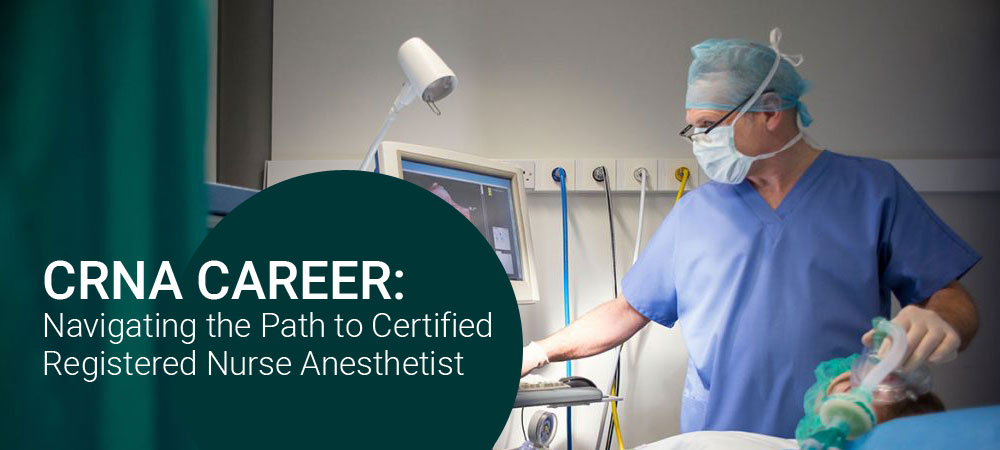
CRNA Career: Navigating the Path to Certified Registered Nurse Anesthetist
Blog

CRNA Career: Navigating the Path to Certified Registered Nurse Anesthetist

Discover the rewarding path of a CRNA Career. Get insights into education requirements, certification processes, job responsibilities, and the vast opportunities in various healthcare settings. Learn about the pivotal role CRNAs play in patient care, anesthesia administration, and the impact they have on surgical outcomes. Start your journey towards a fulfilling career in nurse anesthesia today. The work of Certified Registered Nurse Anesthetists (CRNAs) is vital in the constantly changing field of healthcare. When it comes to giving anaesthesia and making sure patients are safe throughout surgical operations, CRNAs are essential. If you’re a nurse who aspires to work in this field, you’re taking on a challenging and rewarding journey. We’ll lead you through every step of the process to become a CRNA in this in-depth guide, from the educational prerequisites to the certification procedure and beyond. Knowing Your Place as a CRNA Career: Understanding the obligations of being a CRNA is crucial before diving into the details of the job. Advanced practice registered nurses (APRNs) with a focus on anaesthetic care are known as CRNAs. They collaborate with surgeons, anaesthesiologists, and other medical professionals to provide safe and efficient anaesthetic treatments in a variety of settings, such as hospitals, surgery centres, and outpatient clinics. Qualifications for Education: Establishing a strong educational foundation is the first step towards becoming a CRNA. Below is a summary of the normal educational path: Nursing Bachelor’s Degree (BSN): Start by graduating from an approved school with a Bachelor of Science in Nursing (BSN). This four-year undergraduate degree equips you with the fundamental information and abilities needed for nursing practice. Nursing Experience: Working as a registered nurse (RN) in an acute care setting will give you invaluable clinical experience. Candidates for most CRNA programs must have one to two years of experience in emergency or critical care nursing, for example. Master of Science in Nurse Anaesthesia: Enrol in a program approved by the Council on Accreditation of Nurse Anaesthesia Educational Programs (COA) to earn a master’s degree in nurse anaesthesia. These programs, which usually run 24 to 36 months, involve demanding curriculum in physiology, pharmacology, anaesthetic concepts, and clinical practicum experiences. Certification and Licensure: The National Board of Certification and Recertification for Nurse Anesthetists (NBCRNA) will administer the National Certification Examination (NCE), which you must pass after completing your nurse anaesthesia program. Furthermore, in the state in which you intend to practice, you must get state licensing as an advanced practice registered nurse (APRN). Progressing in Your CRNA Career: A fulfilling career journey begins with being a CRNA. The following advice can help you advance in this particular field: Continued Education: Attend conferences, take advantage of continuing education programs, and engage in professional development activities to stay up to date on the most recent developments in anaesthetic practice. Specialization: To improve your abilities and marketability, think about obtaining further certificates or specialized training in fields like pain management, obstetric anaesthesia, or paediatric anaesthesia. Networking: Participate in online forums, join professional organizations, and network with other anaesthesiologists to forge professional ties within the anaesthesia community. Leadership Opportunities: Take advantage of leadership opportunities in healthcare organizations by joining committees, mentoring students, or applying for administrative jobs that give you the power to shape practice and policy. The path to becoming a Certified Registered Nurse Anesthetist (CRNA) is demanding but rewarding and calls for tenacity, devotion, and a desire to provide patients with the best care possible. Through the completion of required coursework, certification, and ongoing skill development, you will be well-positioned to succeed in this vital and dynamic position in the healthcare sector. Consider working with MetaSense INC if you’re prepared to advance in your nursing profession and seek a position as a CRNA. Our staffs are committed to assisting nurses in achieving their career objectives and locating fulfilling jobs in the anaesthesia industry. Get in touch with us right now to find out more about how we can help you on your path to being a top CRNA.
New Nurse Staffing Ratio Law: A Game Changer for Healthcare Quality and Safety
Blog

New Nurse Staffing Ratio Law: A Game Changer for Healthcare Quality and Safety

Explore the critical aspects of Nurse Staffing Ratio Law, ensuring optimal patient care, safety, latest regulations, benefits for healthcare settings, and how these laws impact nurse workload, patient outcomes, and healthcare quality. Stay informed about how these pivotal laws shape the nursing profession and healthcare standards. Oregon has passed a ground-breaking rule governing nurse staffing ratios with the goal of enhancing patient outcomes and guaranteeing high-quality treatment. Patient safety and the well-being of nurses are given priority with this legislation, which establishes specific nurse-to-patient ratios for different healthcare settings. At MetaSense Inc., we understand how crucial this law is to improving healthcare and bolstering the nursing field. We’ll go over the main points of Oregon’s recently passed nurse staffing ratio rule in this blog article, along with how it affects both nurses and healthcare providers. Comprehending the Nurse Staffing Ratio Law in Oregon Senate Bill 474, often known as Oregon’s nurse staffing ratio law, sets minimum nurse-to-patient ratios in a variety of healthcare settings, such as ambulatory surgery centers, nursing homes, and hospitals. Hospitals must follow strict nurse staffing ratios set by law, which are dependent on the acuity of patients and the kind of unit or department. Furthermore, minimum staffing levels must be maintained by nursing homes to guarantee resident safety and high-quality care. Important Law Provisions: Let’s examine in more detail a few of the important clauses found in Oregon’s nursing staffing ratio law: 1. Hospital Nurse Staffing Ratios: The legislation specifies the nurse-to-patient ratios for a number of hospital units, including emergency rooms, medical-surgical units, and intensive care units (ICUs). The purpose of these ratios is to guarantee that nurses have a suitable workload that enables them to provide patients with safe and efficient care. 2. Minimum Staffing Requirements for Nursing Facilities: Depending on the number of residents and their care needs, nursing facilities must meet minimum staffing requirements. The law attempts to prevent understaffing-related problems including medication mistakes and resident neglect by guaranteeing appropriate staffing numbers. 3. Transparency and Reporting: Under the law, healthcare facilities must keep track of their nurse staffing levels and submit information to state authorities. Because of this transparency, facilities may be held accountable and subject to oversight, ensuring that they adhere to the required ratios and standards of care. 4. Enforcement and Penalties: The law specifies how it will be enforced and what the consequences will be for breaking it. Facilities that are discovered to be in breach of the nurse staffing ratios risk fines, penalties, or other disciplinary measures. Consequences for Medical Professionals The nurse staffing ratio regulation in Oregon affects hospitals, assisted living facilities, and ambulatory care clinics in a number of ways. 1. Better Patient Outcomes: Healthcare facilities can improve clinical outcomes, lower medical errors, and increase patient safety by making sure that there is an appropriate number of nurses on site. 2. Improved Nurse Satisfaction: By lowering workload and stress levels, adequate staffing ratios can help mitigate nurse burnout, job unhappiness, and turnover rates. 3. Regulatory Compliance: In order to avoid fines or penalties, healthcare institutions must modify their staffing procedures to adhere to the required nurse-to-patient ratios and reporting standards. Possibilities for Nurses: The nurse staffing ratio rule in Oregon offers nurses a number of advantages and opportunities. 1. Safer Work Environment: Nurses can work in settings where they have the resources and support necessary to deliver high-quality care without feeling overburdened or overworked thanks to required staffing ratios. 2. Professional Growth: As healthcare businesses invest in their personnel to meet staffing requirements and maintain compliance, nurses may have possibilities for professional development and advancement. 3. Advocacy and Engagement: By actively taking part in the establishment and upkeep of nurse staffing ratios within their healthcare institutions, nurses can act as advocates for patient safety and high-quality treatment. The new nurse staffing ratio law in Oregon is a major step forward in the continuous endeavors to improve patient care and uphold the nursing profession. The bill seeks to make hospitals and patient rooms safer by requiring minimum staffing levels and encouraging accountability and openness. At MetaSense Inc., we are proud of Oregon’s efforts to raise the standard of healthcare and are committed to helping nurses and other healthcare professionals achieve excellence in the provision of care. Get in touch with us right now to find out more about how we can help your company navigate the ever-changing rules and best practices in healthcare.
Top 15 High Paying Nursing Careers in 2024: Secure Financial Future in Healthcare
Blog

Top 15 High Paying Nursing Careers in 2024: Secure Financial Future in Healthcare

High Paying Nursing Careers Professions: Explore the top high paying nursing careers in 2024. From Nurse Anesthetists to Nurse Practitioners, discover the roles leading the way in healthcare prosperity. Find out qualifications, salaries, and the path to securing your financial future in the nursing profession. A rewarding and in-demand profession, nursing continues to be on the forefront of the ever-changing Healthcare Industry. Making a significant impact on patients’ lives and offering a road to financial prosperity, nursing offers a wide range of specializations and prospects for progress. Check out our list of the top 15 high paying nursing occupations for 2024 if you’re thinking about becoming a nurse or if you want to grow in your current role. Find out what rich potential the healthcare industry has in store for you. 1. CRNA, or Nurse Anesthetist: The highest paid nursing professions are those of Certified Registered Nurse Anesthetists, or CRNAs. These advanced practice nurses, who typically make over $180,000 annually, provide anesthesia during surgical procedures. 2. A Nurse Practitioner (NP): Advanced practice registered nurses who diagnose and treat both acute and chronic illnesses are known as nurse practitioners (NPs). A median yearly pay of almost $110,000 is enjoyed by NPs, who are responsible and autonomous in their profession. 3. Manager of Nurses: In order to guarantee effective operations and high-quality patient care, nurse managers supervise nursing units or departments within healthcare facilities. Nurse managers are highly compensated healthcare leaders, earning an average of $100,000 annually. 4. Instructor of Nursing: Nurse educators use staff development efforts or academic programs to teach prospective nurses knowledge and skills. The future of nursing is enhanced by nurse educators, who earn a median salary of more than $80,000 annually. 5. Specialist in Clinical Nursing (CNS): In specialized fields like pediatrics, critical care, or oncology, clinical nurse specialists, or CNSs, offer knowledgeable clinical advice. CNSs, who earn between $75,000 and $110,000 annually, are essential to enhancing patient outcomes. 6. Researcher Nurse: Scientific investigations are carried out by nurse researchers to improve nursing practice and understanding. Evidence-based care delivery is aided by nurse researchers, who earn between $70,000 and $100,000 annually. 7. Informaticist Nurse: Nurse informaticists use data and technology to improve healthcare systems and patient care. Nurse informaticists connect the dots between technology and nursing, typically earning $90,000 annually. 8. Consultant Nurse: Nurse consultants offer government agencies, businesses, and healthcare institutions professional guidance and assistance. Nurse consultants make between $80,000 and $120,000 a year, but they also provide insightful advice. 9. CNMs, or Nurse Midwives: Women get care from Certified Nurse Midwives (CNMs) during pregnancy, labor, and the postpartum period. CNMs are essential to the health of mothers and newborns, earning a median pay of more than $100,000 annually. 10. Entrepreneur Nurse: Nurse entrepreneurs launch their companies and provide cutting-edge medical services or solutions. Nurse entrepreneurs have the chance to influence the direction of healthcare, despite the significant variations in their earning potential. 11. Dermatology Nurse Practitioner: Dermatology-focused nurse practitioners diagnose and treat skin disorders, with a median compensation of more than $120,000 per year. 12. Nurse Psychiatry: Nurse Practitioner in Psychiatry With an annual salary of approximately $125,000, nurse practitioners who specialize in psychiatric care offer assessment, diagnosis, and treatment of mental health conditions. 13. Cardiology Nurse Practitioner: Cardiology-focused nurse practitioners treat diseases of the heart and typically make over $130,000 a year in compensation. 14. Orthopedic Nurse Practitioner: Orthopedic nurse practitioners diagnose and treat musculoskeletal disorders; their typical yearly salary is approximately $120,000. 15. Oncology Nurse Practitioner: Oncology-focused nurse practitioners offer complete cancer care and typically earn over $125,000 annually. While perusing the top 15 lucrative nursing professions for 2024, keep in mind that a rewarding nursing career entails more than just financial success. Every specialization provides different chances for professional and personal development as well as for improving the lives of patients. Every step of the way, MetaSense Inc. is here to support you, whether you’re starting your nursing career or looking to improve in your present position. Reach out to us right now to find out how we can support you in reaching your healthcare objectives.
Choosing a Travel Nurse Agency that Values Transparency
Blog

Choosing a Travel Nurse Agency that Values Transparency

As a travel nurse, you will have the unique chance to work with a variety of healthcare facilities and visit new locations. However, before traveling for your next vacation, you must find a reputable travel nurse agency that supports openness. This not only assures a seamless and stress-free task, but it also contributes to the development of trust and a healthy working environment. Benefits of Travel Nurse Agency Transparency: Transparency in the travel nursing sector refers to open and honest communication between the agency and the nurse. This involves providing clear and open information about employment responsibilities, salary packages, and any potential problems. Some advantages of using a transparent travel nurse agency include: The reason Transparent Agencies provide all required information upfront, helping nurses make informed decisions regarding job assignments. This provides information like shift needs, patient population, and facility policies. This level of transparency prevents surprises during the assignment and ensures that all sides are on the same page. Transparency fosters trust and loyalty among nurses, demonstrating the agency’s dedication to a successful working relationship. This boosts the nurses’ confidence, making them more inclined to choose the agency for future assignments. Fair Remuneration: Transparency extends to the compensation package provided by the agency. A transparent agency will provide a breakdown of all costs, including lodging, travel, and any other advantages. This helps to minimize misunderstandings and hidden payments, ensuring that the nurse is fairly compensated for her services. Provide support during unanticipated challenges: Travel Nursing Assignments can provide unexpected challenges, even with thorough planning. In such instances, a transparent organization will communicate freely and collaborate with the nurse to find a resolution. This amount of assistance can make all the difference in a difficult circumstance and contribute to a healthy working relationship. Red Flags to Look Out for Travel Nurse Agency When selecting a travel nurse agency, be wary of any red signals that may imply a lack of openness. Several warning signals include: Vague job descriptions may indicate hidden obstacles or issues. Unclear compensation packages might cause misunderstandings and reduced remuneration for nurses. Poor communication in a working partnership can suggest a lack of transparency or commitment from the agency. Research travel nurse agencies carefully to avoid biased or untrustworthy reviews. Transparency is providing truthful information about task assignments and not manipulating reviews to entice nurses. Tips to Find a Transparent Travel Nurse Agency: Now that you understand the value of transparency in a travel nurse agency, here are some pointers to help you find one: Ask for References: Contact other travel nurses or colleagues who have previously worked for agencies. They can provide vital insights from their experiences and propose honest agencies. Conduct Research on travel nurse agencies using reliable websites and resources. Read evaluations from previous employees. Ask Enquiries: During the interview, do not be hesitant to ask specific questions regarding employment responsibilities, remuneration packages, and communication procedures. A transparent agency will gladly provide clear responses. Before signing a contract, read it thoroughly and ask for clarification if needed. This will assist to prevent any surprises or misunderstandings later on. Trust your Instincts: If something doesn’t feel right or there’s a lack of transparency from an agency, seek alternative possibilities. Transparency is essential in every professional relationship, but it is especially important when it comes to travel nursing jobs. By selecting a transparent agency, you may ensure a positive and stress-free experience, letting you to focus on what is truly important: giving outstanding care to patients in need. So do your research and choose a travel nurse agency that values openness and has your best interests in mind. Don’t forget to prioritize honesty while picking your next travel nursing agency! Happy travels and happy nursing.
Nursing Skills
Blog

10 Nursing Skills You Cannot Learn in the Classroom

Nursing is a profession that involves more than just textbooks and lectures; it requires compassion, adaptability, and real-world experience. While classroom education provides a solid base, some of the most important nursing skills can only be developed via hands-on experience and a thorough understanding of human relationships. In this blog article, we’ll look at ten nursing abilities that go beyond the classroom, providing insight into the multidimensional world of nursing as performed by the dedicated professionals at MetaSense Inc. 01. Empathetic Communication: Empathetic Communication is essential for efficient nursing care, but mastering it requires more than just classroom training. It is important understanding each patient’s individual demands and feelings. Nurses at Metasene Inc. receive specialized training that emphasizes active listening, nonverbal cues, and establishing a supportive environment in which patients feel heard and respected. 02. Crisis Management: Effective Crisis Management requires the ability to remain calm and collected in high-stress situations, which cannot be fully prepared for by theoretical understanding. Metasene Inc. nurses are educated to manage situations calmly and make vital decisions under duress. This talent is honed by hands-on experiences, simulated scenarios, and ongoing exposure to a variety of healthcare concerns. 03. Cultural Competence: Understanding and appreciating other cultures is essential in healthcare. MetaSense Inc. nurses receive cultural competency training to ensure they can deliver patient-centered care to people of all backgrounds. This includes not only identifying cultural differences, but also customizing care strategies to each patient’s specific requirements and beliefs. 04. Time Management: Effective Time Management is essential in nursing’s fast-paced environment. Nurses at Metasene Inc. learn how to prioritize duties, assign responsibilities, and make quick decisions while preserving high-quality care. This competence develops through hands-on experience, as nurses negotiate changing patient loads, unforeseen situations, and shifting priorities in a dynamic healthcare environment. 05. Teamwork: Real-world healthcare settings are the ideal place to grasp the true complexities of collaborative teamwork, but classroom scenarios can help imitate it. Metasene Inc. supports a collaborative culture, ensuring that nurses are not only competent in their respective jobs, but also capable of collaborating smoothly with other healthcare professionals to deliver comprehensive patient care. 06. Patient Advocacy: Patient Advocacy requires more than understanding healthcare policies and ethical concepts. Metasene Inc. nurses are educated to actively engage with patients, ensuring that their perspectives are heard and their rights are upheld. This talent develops with experience, as nurses learn to navigate complex healthcare systems, communicate effectively on their patients’ behalf, and advocate for the best possible outcomes. 07. Adaptation: Nurses must be adaptable in the ever changing healthcare industry. MetaSense Inc. nurses are exposed to a variety of clinical situations, allowing them to swiftly adapt to new technology, protocols, and approaches. This hands-on approach enables nurses to handle unforeseen situations and embrace change as a necessary aspect of their job. 08. Critical Thinking: Nurses rely on critical thinking to examine events, make educated judgments, and handle problems effectively. MetaSense Inc. prioritizes the development of critical thinking abilities through real-world scenarios, case studies, and ongoing professional development. This guarantees that nurses can assess difficult circumstances, examine many elements, and execute appropriate solutions to improve patient outcomes. 09. Resilience: Nurses face emotional stress, long hours, and stressful conditions, requiring resilience. Metasene Inc. understands the value of resilience and offers support tools to help nurses deal with the challenges of their jobs. This includes mental health services, mentorship programs, and a supportive work atmosphere that fosters open communication and camaraderie among the nursing team. 10. Patient Education: Nursing involves educating patients on their health, treatment strategies, and preventive actions. Metasene Inc. nurses succeed at patient education because they communicate clearly, use patient-friendly language, and personalize information to each individual’s needs. This talent is honed by ongoing contacts with patients and a dedication to empowering people to actively participate in their own healthcare journeys. Conclusion: While classroom education provides a solid basis for nursing, hands-on experiences and practical application reveal the genuine core of this great profession. MetaSense Inc. is dedicated to training not only qualified nurses, but also compassionate and talented healthcare providers. By taking a holistic approach to nursing education, Metasene Inc. ensures that its nurses have the wide skill set required to manage the complexity of healthcare and offer excellent patient care. Metasene Inc. serves as a beacon for those seeking to join the ranks of dedicated healthcare professionals, helping them to a rewarding and influential nursing career.
Nursing Home Growth
Blog

Strategic Considerations for Nursing Home Growth

The escalating expenses associated with healthcare provision remain a pivotal consideration for nursing homes contemplating expansion. To effectively manage costs, many such institutions are adopting a strategic approach, closely monitoring regional reimbursement trends, labor market dynamics, and implementing astute managed care strategies. The convergence of these factors can pave the way for sustainable growth in states that offer promising opportunities for expansion. Discover key strategies for expanding and improving services in Nursing Home Growth. Enhancing resident care, leveraging technology, and implementing innovative practices to foster growth and sustainability in nursing homes. Nursing Home Growth: Strategies for Expanding Quality Care Regional disparities in reimbursement trends and regulatory frameworks underscore the need for a nuanced understanding of available options. Some states provide higher reimbursement rates for specific services, necessitating a comprehensive assessment of the profitability of these services. Armed with this insight, nursing homes can make informed decisions about where to expand their operations. The availability and affordability of skilled labor constitute another critical factor in the expansion equation. Variations across states in the size of the qualified workforce can significantly impact long-term viability. Furthermore, disparities in labor costs present opportunities for nursing homes to optimize overhead expenses, thereby maximizing revenue potential. Strategic managed care initiatives should not be overlooked in the pursuit of attractive expansion opportunities. Implementing managed care allows nursing homes to deliver services efficiently, reducing administrative overheads while maintaining high-quality standards. However, the landscape of managed care is nuanced, with requirements varying from state to state. Consequently, it is imperative for nursing homes to navigate the specific rules and regulations of each state before committing to expansion. Nursing homes eyeing growth must meticulously consider regional reimbursement trends, labor market dynamics, and managed care strategies as part of their evaluation process. A thorough understanding of the local landscape empowers these institutions to make judicious decisions, ensuring successful expansion. Prudent investments today will yield dividends in the future, enabling nursing homes to optimize resources and unlock their full growth potential. Finding the optimal blend of talent, technology, and experience is indispensable for any business aiming to expand successfully. Nursing homes should engage with experts specializing in regional reimbursement trends, labor dynamics, and managed care strategies to gain a comprehensive understanding of the landscape and make well-informed decisions. Collaborating with experts enhances the likelihood of choosing states that present attractive opportunities for expansion, resulting in increased revenue and sustained success. Thriving in an ever-evolving healthcare landscape is no small feat. By dedicating time to comprehend local reimbursement trends, labor dynamics, and managed care strategies, nursing homes can make informed decisions regarding their expansions, ensuring viable growth opportunities. Ultimately, this approach leads to heightened revenue potential and enduring success. While the initial prospect might appear daunting, investing time in understanding regional reimbursement trends, labor market dynamics, and managed care strategies can yield long-term benefits. Through collaboration with experts and making informed decisions about expansion into attractive states, nursing homes can secure increased revenue potential and robust growth opportunities. This strategic approach positions them for success in an ever-changing healthcare environment. Nursing Home Growth in Response to Aging Populations As the aging population increases, the demand for high-quality nursing home care is on the rise. Recognizing this need, many states have taken proactive steps to expand existing nursing homes and establish new ones, aiming to meet the growing demand. This expansion, however, comes with its unique set of challenges, including the need for sufficient space and resources, comprehensive staff and nurse training, and the delivery of personalized care for each resident. In certain states, lawmakers have allocated funding to facilitate nursing home expansion. This financial support is often directed towards constructing new facilities or upgrading existing ones with state-of-the-art equipment and technology. Additionally, specific programs may be available to enable nurses to undergo additional training, enhancing their ability to serve patients and deliver a higher quality of care. To ensure the smooth operation of nursing homes, many states have implemented regulations and guidelines for staff, patients, and visitors. These regulations may encompass various aspects, such as restricting certain activities like smoking or drinking, and providing detailed information about the range of care available in each facility. Adherence to these guidelines is crucial for all parties involved in nursing home expansion to guarantee the safety and well-being of everyone concerned. For individuals concerned about their state’s nursing home system, staying informed about the expansion process is essential. Familiarity with rules and regulations, coupled with an understanding of the operational aspects of local nursing homes, facilitates the provision of superior care for loved ones. Nursing home expansion is integral to addressing the needs of an aging population, making it imperative for everyone to be cognizant of their state’s plan. One effective way to contribute to nursing home expansion is by becoming a volunteer or donor. Through financial support or time commitment, individuals can play a pivotal role in ensuring quality care for those in need. Engaging with local lawmakers and advocating for changes that could benefit the nursing home system further amplifies the impact. Through collective advocacy and proactive involvement, we can collaborate to ensure that every senior receives the care they deserve.
nurse leadership
Blog

Empowering Change: The Crucial Role of Nurse Leadership in Driving Healthcare Innovation

Nurse leaders are essential in guiding the healthcare business toward innovation and progress in the quickly changing healthcare landscape. Nurse leaders must recognize and accept their role as change agents as patient expectations, technology, and methods continue to progress. We’ll examine the vital roles that nurse leadership play in advancing healthcare innovation in this blog post. Innovation is a need in the modern healthcare setting, not merely a trendy term. Leading innovative projects is a great fit for nurse leaders because of their distinct viewpoint on patient care and operational nuances. Let’s examine how nurse leadership might propel the advancement of medical procedures. Role of Nurse Leadership Comprehending the Environment: Nurse leaders need to be well-versed in the state of healthcare today in order to drive innovation successfully. This entails keeping up with developments in developing trends, regulations, and technology. Nurse leaders can find areas for improvement within their specific healthcare organizations by actively seeking out and comprehending the most recent advances. Encouraging an Innovative Culture: Promoting an innovative culture is essential to bringing about meaningful change. A creative and welcoming workplace where team members are encouraged to think outside the box is something that nurse leaders can cultivate. Creating avenues for transparent dialogue and cooperation among members of the healthcare team can help find novel answers to persistent problems. Leading by Example: Innovative thinking needs to be embodied by nurse leaders. Through exhibiting a readiness to accept change and consistently enhance themselves, they motivate their groups to follow suit. Adopting new technologies, actively engaging in professional development opportunities, and exhibiting a dedication to lifelong learning are all components of setting an example for others to follow. Collaboration: It is essential for innovation to flourish. It is imperative for nurse leaders to proactively pursue collaborations with fellow healthcare practitioners, technological specialists, and industry players. Nurse leaders can harness a range of perspectives and experience by promoting collaborative initiatives, which can lead to more complete and robust solutions. Advocacy for Professional Growth: MetaSense Inc. is a proponent of professional growth in addition to being a supplier of training courses. MetaSense Inc. aggressively advocates for the acknowledgement of nurse practitioners as essential members of the healthcare team through advocacy campaigns. MetaSense Inc. facilitates the ongoing advancement and enhancement of the nurse practitioner (NP) profession by endorsing the elimination of practice barriers and cultivating cooperative connections with other healthcare professionals. Overcoming Obstacles: There are obstacles in the way of healthcare innovation. Nurse leaders could run into issues with technology, financial restraints, or opposition to change. To tackle these obstacles, one needs to be resilient, strategically plan, and communicate well. In order to make sure that the advantages of innovation outweigh the drawbacks, nurse leaders need to be skilled at overcoming obstacles. Showcasing Success Stories: By highlighting effective instances of nurse-led innovation, the healthcare community can be motivated. Telling tales of better patient outcomes, efficient workflows, or improved care delivery highlights the observable effects of creative endeavors. These success stories can be used by nurse leaders to inspire and get support for continued innovation initiatives. To sum up, nurse leadership is a key component of healthcare innovation. Nurse leaders may drive their businesses toward improved patient care and operational excellence by remaining informed, encouraging innovation, setting an example, working well with others, and overcoming obstacles. Adopting an innovative mindset helps progress the healthcare sector as a whole as well as benefiting specific healthcare businesses. Looking ahead, nurse leaders have a special chance to influence the way healthcare is provided by virtue of their commitment to bringing about constructive change.
Blog

Nurse Practitioner Emerges as the Fastest Growing Profession in Healthcare: A Spotlight on MetaSense Inc.’s Role in Shaping the Future

One field in the constantly changing healthcare industry has stood out as a leader in innovation and growth: nurse practitioners (NPs). Nurse Practitioners are entering key roles and are the fastest-growing profession in the healthcare sector as a result of the increased demand for advanced and specialized healthcare services. In this blog, we examine the causes of this trend, the distinctive contributions made by nurse practitioners, and the significant influence MetaSense Inc.’s dedication to this evolving field is having on the future of healthcare. The Nurse Practitioner Surge: Unraveling the Trends Filling the Gap in Primary Care: Nurse practitioners are becoming an essential answer as healthcare systems struggle with the rising demand for primary care services. Because of their special positioning, advanced practice nurses may offer patients comprehensive primary care that takes a whole-person approach to wellbeing. Nurse practitioners are uniquely positioned to bridge the gaps in healthcare accessibility, particularly in underprivileged regions, because to their capacity to diagnose, treat, and prescribe medications. Focused specialist Knowledge: Nurse practitioners contribute a multitude of specialist knowledge to the healthcare system. Nurse Practitioners (NPs) possess a varied range of skills to address the specific requirements of patients at every stage of life. They have postgraduate degrees and have received specialized training in fields like family medicine, pediatrics, and mental health. Because of their adaptability, nurse practitioners are valued. MetaSense Inc.’s Commitment to Nurse Practitioners: Shaping the Future of Healthcare Detailed Training Programs: Nurse practitioners are essential to the delivery of contemporary healthcare, as acknowledged by MetaSense Inc. MetaSense Inc. provides extensive training programs that are specifically designed to meet the demands of Nurse Practitioners in order to support the advancement and development of this profession. These courses address the most recent developments in healthcare, guaranteeing that NPs have the abilities and know-how required to successfully manage the challenges of their jobs. Cutting-Edge Technology Integration: In the era of digitalization, technology is essential to improving the provision of healthcare. Leading the way in introducing state-of-the-art technologies into Nurse Practitioner education and practice is MetaSense Inc. The NPs affiliated with MetaSense Inc. are knowledgeable about the instruments that enhance patient care, expedite processes, and improve overall healthcare outcomes, including electronic health records (EHRs) and telemedicine platforms. Advocacy for Professional Growth: MetaSense Inc. is a proponent of professional growth in addition to being a supplier of training courses. MetaSense Inc. aggressively advocates for the acknowledgement of nurse practitioners as essential members of the healthcare team through advocacy campaigns. MetaSense Inc. facilitates the ongoing advancement and enhancement of the nurse practitioner (NP) profession by endorsing the elimination of practice barriers and cultivating cooperative connections with other healthcare professionals. Networking and Community Building: MetaSense Inc. helps Nurse Practitioners connect with one another since it understands how important a supportive community is. NPs affiliated with MetaSense Inc. get access to online forums, seminars, and workshops as well as peer connections and industry trends. The collective influence of nurse practitioners is bolstered by this sense of community, which also serves to uphold their leadership position in the medical field. Nurse practitioners are at the vanguard of this revolutionary movement as the need for sophisticated, patient-centered healthcare services grows. With its steadfast dedication to the advancement of nurse practitioners, MetaSense Inc. is significantly influencing the direction of healthcare. By offering thorough training, fighting for professional recognition, and creating a welcoming environment, MetaSense Inc. makes sure that nurse practitioners are not only keeping up with the changing healthcare environment but also paving the path for a more accessible and healthy future for everybody.  
Scroll to Top