
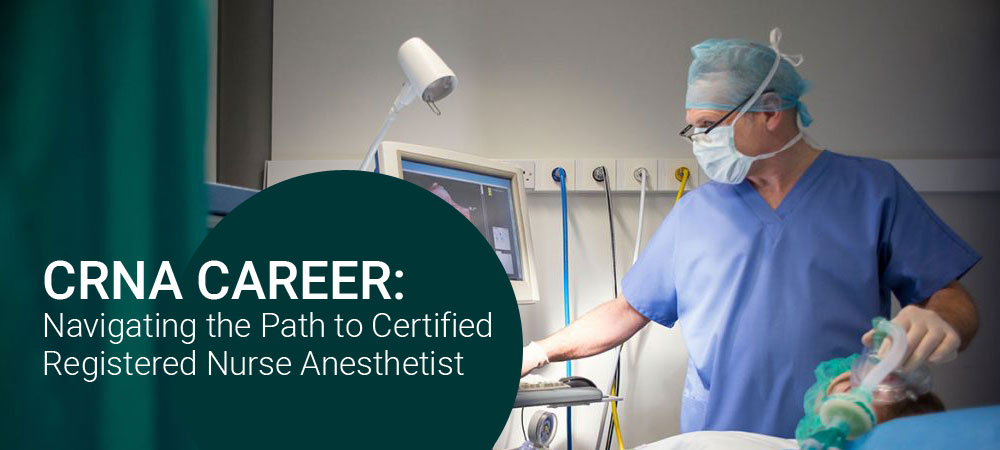
CRNA Career: Navigating the Path to Certified Registered Nurse Anesthetist
Discover the rewarding path of a CRNA Career. Get insights into education requirements, certification processes, job responsibilities, and the vast opportunities in various healthcare settings. Learn about the pivotal role CRNAs play in patient care, anesthesia administration, and the impact they have on surgical outcomes. Start your journey towards a fulfilling career in nurse anesthesia today. The work of Certified Registered Nurse Anesthetists (CRNAs) is vital in the constantly changing field of healthcare. When it comes to giving anaesthesia and making sure patients are safe throughout surgical operations, CRNAs are essential. If you’re a nurse who aspires to work in this field, you’re taking on a challenging and rewarding journey. We’ll lead you through every step of the process to become a CRNA in this in-depth guide, from the educational prerequisites to the certification procedure and beyond. Knowing Your Place as a CRNA Career: Understanding the obligations of being a CRNA is crucial before diving into the details of the job. Advanced practice registered nurses (APRNs) with a focus on anaesthetic care are known as CRNAs. They collaborate with surgeons, anaesthesiologists, and other medical professionals to provide safe and efficient anaesthetic treatments in a variety of settings, such as hospitals, surgery centres, and outpatient clinics. Qualifications for Education: Establishing a strong educational foundation is the first step towards becoming a CRNA. Below is a summary of the normal educational path: Nursing Bachelor’s Degree (BSN): Start by graduating from an approved school with a Bachelor of Science in Nursing (BSN). This four-year undergraduate degree equips you with the fundamental information and abilities needed for nursing practice. Nursing Experience: Working as a registered nurse (RN) in an acute care setting will give you invaluable clinical experience. Candidates for most CRNA programs must have one to two years of experience in emergency or critical care nursing, for example. Master of Science in Nurse Anaesthesia: Enrol in a program approved by the Council on Accreditation of Nurse Anaesthesia Educational Programs (COA) to earn a master’s degree in nurse anaesthesia. These programs, which usually run 24 to 36 months, involve demanding curriculum in physiology, pharmacology, anaesthetic concepts, and clinical practicum experiences. Certification and Licensure: The National Board of Certification and Recertification for Nurse Anesthetists (NBCRNA) will administer the National Certification Examination (NCE), which you must pass after completing your nurse anaesthesia program. Furthermore, in the state in which you intend to practice, you must get state licensing as an advanced practice registered nurse (APRN). Progressing in Your CRNA Career: A fulfilling career journey begins with being a CRNA. The following advice can help you advance in this particular field: Continued Education: Attend conferences, take advantage of continuing education programs, and engage in professional development activities to stay up to date on the most recent developments in anaesthetic practice. Specialization: To improve your abilities and marketability, think about obtaining further certificates or specialized training in fields like pain management, obstetric anaesthesia, or paediatric anaesthesia. Networking: Participate in online forums, join professional organizations, and network with other anaesthesiologists to forge professional ties within the anaesthesia community. Leadership Opportunities: Take advantage of leadership opportunities in healthcare organizations by joining committees, mentoring students, or applying for administrative jobs that give you the power to shape practice and policy. The path to becoming a Certified Registered Nurse Anesthetist (CRNA) is demanding but rewarding and calls for tenacity, devotion, and a desire to provide patients with the best care possible. Through the completion of required coursework, certification, and ongoing skill development, you will be well-positioned to succeed in this vital and dynamic position in the healthcare sector. Consider working with MetaSense INC if you’re prepared to advance in your nursing profession and seek a position as a CRNA. Our staffs are committed to assisting nurses in achieving their career objectives and locating fulfilling jobs in the anaesthesia industry. Get in touch with us right now to find out more about how we can help you on your path to being a top CRNA.
